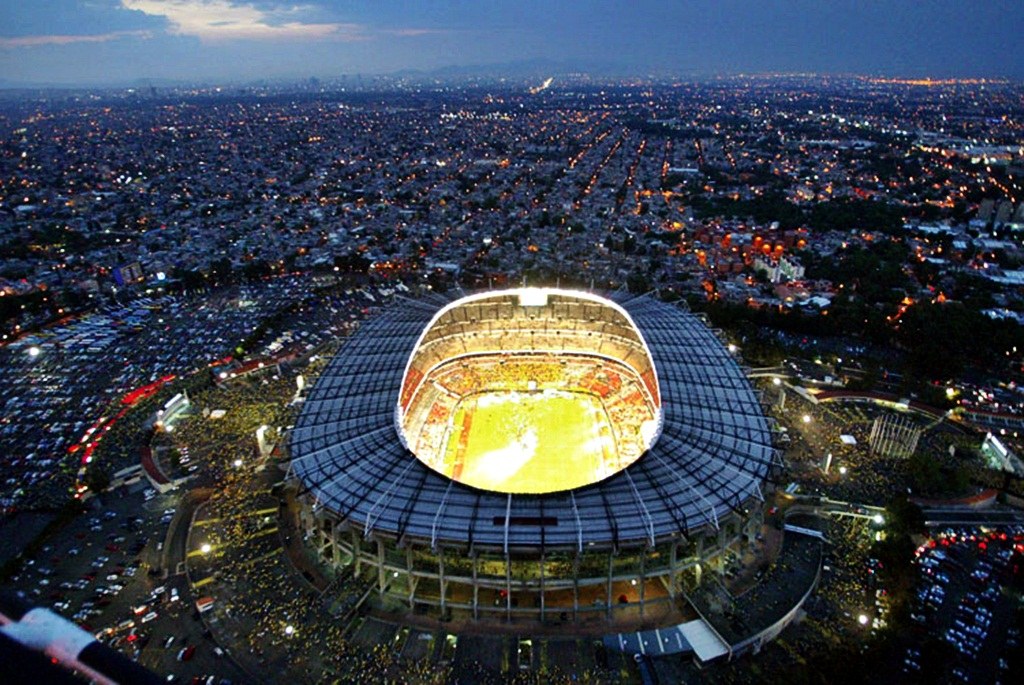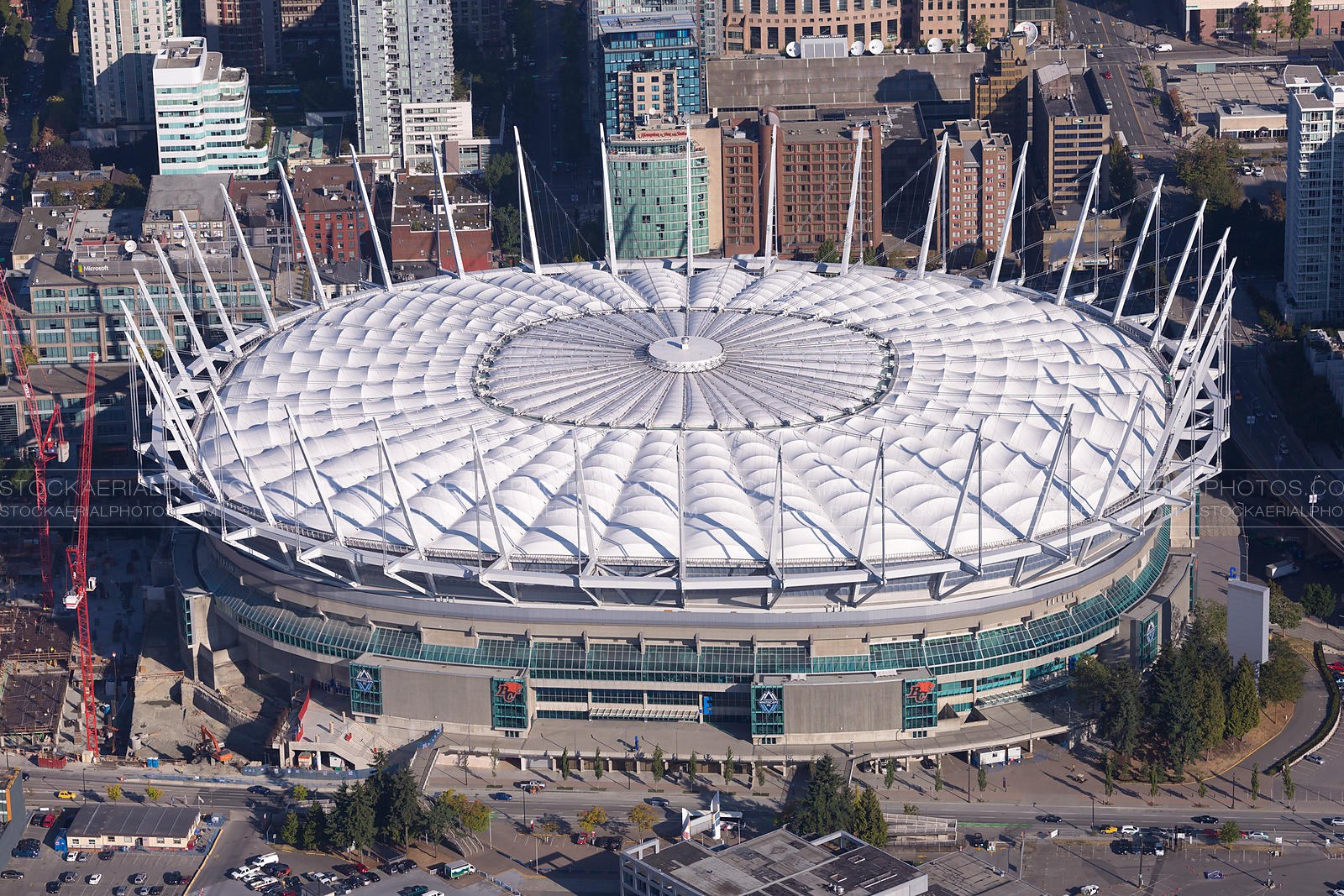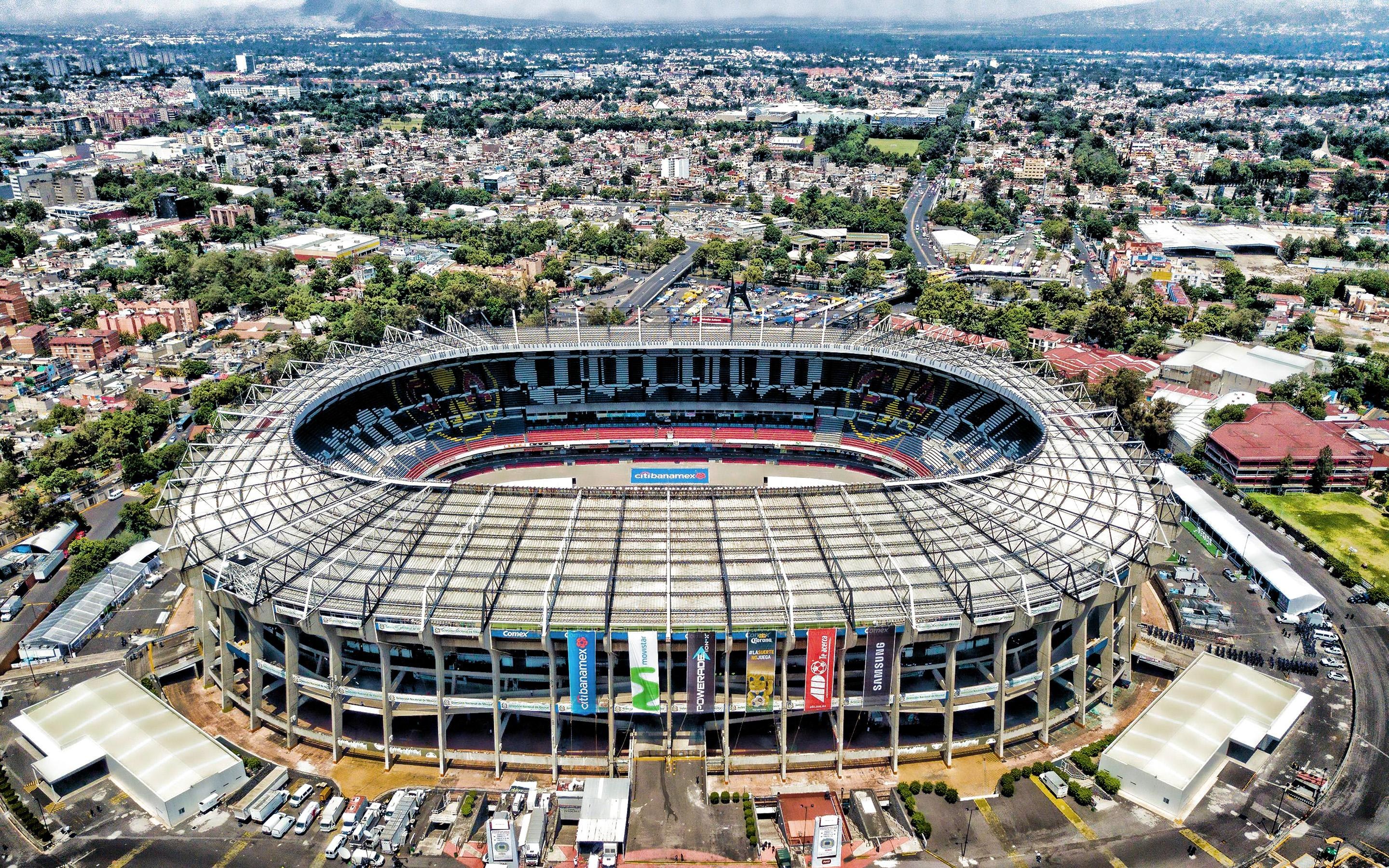


The hunt for a reliable World Cup 2026 groups table and predictions guide has officially begun, and this tournament rewrites the rulebook. For the first time in history, the FIFA World Cup expands to 48 teams spread across 12 groups of four, hosted jointly by the United States, Canada and Mexico from June 11 to July 19, 2026. With 104 matches packed into the calendar and a brand-new knockout structure, understanding how the groups work is essential before you can make any sensible forecast. This breakdown walks you through the format, the qualification picture and a smart way to think about predictions without falling for hype.
World Cup 2026 Groups Table and Predictions: How the New Format Works
The headline change for 2026 is scale. The previous editions featured 32 teams in eight groups of four. The 2026 tournament jumps to 48 teams arranged into 12 groups of four, which is why the match count balloons from 64 to 104. That extra volume changes everything about how you read a group table, because qualification is no longer a simple top-two affair.
In each of the 12 groups, the top two teams advance automatically. On top of that, the eight best third-placed teams across all groups also progress. Together that produces a 32-team knockout bracket, which kicks off with an entirely new Round of 32 before flowing into the familiar Round of 16, Quarter-finals, Semi-finals and the Final. That single structural tweak means a third-place finish is no longer a death sentence, and it makes the group-stage table maths genuinely fascinating.
Why Third Place Matters More Than Ever
Because eight of the twelve third-placed teams survive, goal difference, goals scored and disciplinary records become tie-breakers that can decide a nation’s tournament. A team that loses its opening match can still recover, and a single late goal in a dead-rubber fixture might be the difference between flying home and reaching the Round of 32. When you scan any World Cup 2026 groups table, do not just look at points. Track the comparative third-place standings across all groups, because that mini-league within the tournament often produces the most dramatic final matchday swings.
The Qualified Teams and the Draw Picture
As co-hosts, the United States, Canada and Mexico all qualified automatically, guaranteeing each host nation a place in the group stage. The remaining slots are filled through confederation qualifying campaigns around the world, with the expanded field giving more nations a realistic route to the finals than ever before.
A crucial note for anyone building predictions: the exact group draw and the specific fixtures are confirmed through official FIFA processes, and you should always verify the final allocations on FIFA’s official channels rather than relying on early speculation. Seeding is typically based on world rankings, with hosts placed into predetermined positions and the rest distributed across pots to balance the groups. Until the official draw is locked in, any “group of death” talk is educated guesswork.
Reading the Pots
- Host advantage: USA, Canada and Mexico enter as seeded hosts, typically heading their groups on paper.
- Top seeds: The highest-ranked qualifiers are spread across separate groups to avoid early heavyweight clashes.
- Wildcards: The expanded 48-team field guarantees debutants and lower-ranked sides, which adds unpredictability to every group.
- Balance: FIFA’s pot system aims to prevent any single group from stacking too many elite teams together.
How to Make Smart World Cup 2026 Predictions
Good predictions are less about crystal balls and more about disciplined reasoning. With 48 teams and a longer path to the trophy, the variables multiply, so a structured approach beats gut instinct every time.
Weight Recent Form Over Reputation
Historic powerhouses do not always arrive in peak condition. Look at how teams performed across their qualifying campaign, whether key players are fit, and how squads have gelled in the months before kick-off. A nation cruising through qualification with a settled lineup is often a safer bet than a famous name limping in. Momentum built during the final international windows before the tournament frequently carries over into the group stage, so pay close attention to results in the months immediately preceding June 2026.
Respect the Host Factor
Playing at home, or close to home across North America, brings crowd support, familiar conditions and reduced travel fatigue. The host nations of the USA, Canada and Mexico will all enjoy partisan stadiums, and history shows home advantage can lift a team beyond its ranking. Factor that into your group-stage forecasts.
Account for Climate and Travel
- Heat: Summer matches in southern US and Mexican venues can be punishing, favouring teams with depth and fitness.
- Altitude: Mexico City sits at high elevation, which historically challenges visiting sides.
- Distances: The continent is vast, so groups based in one region may give settled teams an edge over those crossing time zones.
- Rotation: With more matches available to reach the final, squad depth becomes a genuine predictor of deep runs.
What the Group Tables Will Likely Tell Us
Once matches begin, expect the group tables to shift dramatically across three matchdays. The new third-place lifeline means few groups will be settled early, and teams will calculate scenarios down to single goals. The opening round often reveals which favourites are genuinely sharp and which dark horses have arrived ready to surprise. By the final matchday, simultaneous kick-offs and the cross-group third-place race typically deliver the tournament’s first wave of true drama.
For accuracy, keep one tab open on FIFA’s official standings throughout the group stage. Tables update in real time, and the third-place comparison can swing on a single result in a group you were not even watching.
It is also worth remembering that the longer road to the Final rewards consistency over fireworks. In a 32-team knockout bracket, a side that grinds out narrow wins and conserves energy can outlast a flashier team that burns through its best players too early. When you build a bracket prediction, look beyond the group winners and ask which squads have the depth, fitness and temperament to navigate an extra knockout round. The teams that peak at the right moment, rather than those that dazzle in the opening week, tend to be the ones still standing in mid-July.
Common Prediction Mistakes to Avoid
- Overrating big names: Reputation does not win matches; current form and fitness do.
- Ignoring third place: Forgetting the eight best third-placed qualifiers leads to flawed group reads.
- Trusting early draws talk: Speculating before the official FIFA draw is confirmed is guesswork.
- Underestimating debutants: The 48-team field guarantees fresh, hungry sides that can upset favourites.
Frequently Asked Questions
How many teams qualify from each group in 2026?
The top two teams from each of the 12 groups advance automatically, and the eight best third-placed teams across all groups also progress. That fills the new 32-team knockout bracket, which begins with a Round of 32.
How many groups are there at the 2026 World Cup?
There are 12 groups of four teams each, totalling 48 nations. This is an increase from the previous format of eight groups of four, and it is the reason the tournament now features 104 matches instead of 64.
Are the hosts guaranteed a place in the group stage?
Yes. As co-hosts, the United States, Canada and Mexico all qualified automatically and are guaranteed places in the group stage. The remaining teams earned their spots through confederation qualifying.
Where can I find the official group draw and fixtures?
The confirmed group draw, exact fixtures and kick-off times are published through official FIFA channels. Always verify these details on FIFA’s official platforms rather than relying on early predictions or unofficial sources.
When does the 2026 World Cup take place?
The tournament runs from June 11 to July 19, 2026, across 16 host cities in the United States, Canada and Mexico, with the Final scheduled for July 19.
Conclusion
The expanded 2026 World Cup transforms how we read group tables and build predictions. With 12 groups, a third-place qualifying lifeline and a fresh Round of 32, every point and every goal carries weight right up to the final matchday. The smartest forecasters will blend recent form, host advantage, climate and squad depth rather than leaning on reputation alone. Above all, stay grounded in confirmed information from FIFA as the draw and fixtures are finalised, because the official picture is the only reliable foundation for any prediction.
Call to Action
Bookmark this guide, follow FIFA’s official channels for the confirmed groups table, and check back as the draw is finalised. Share your own World Cup 2026 group predictions with fellow fans and join the conversation as the biggest football tournament in history kicks off across North America.