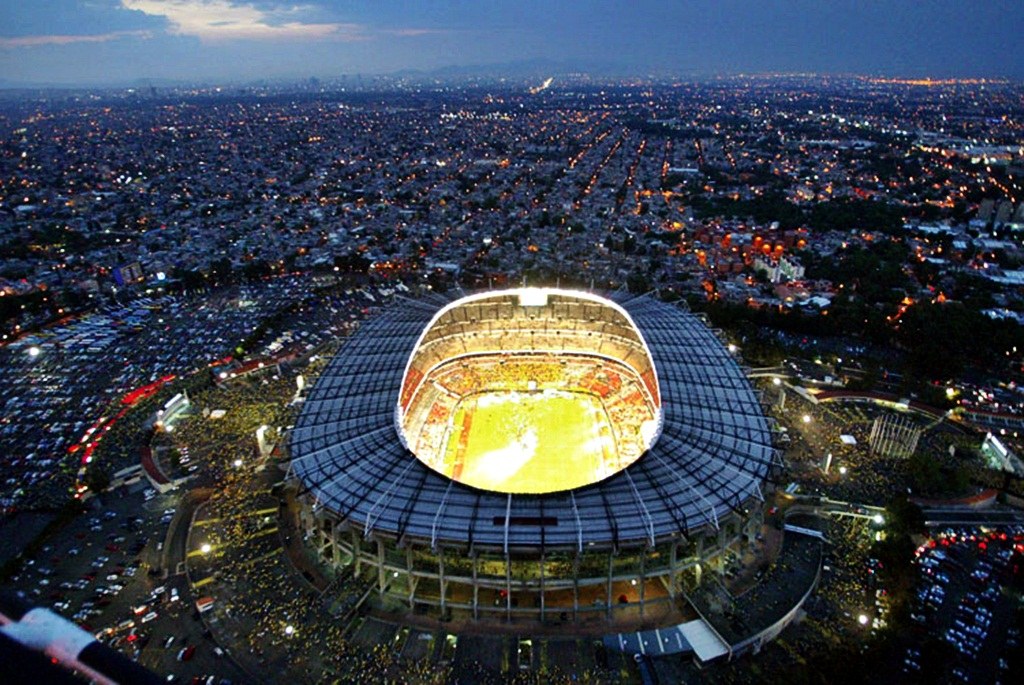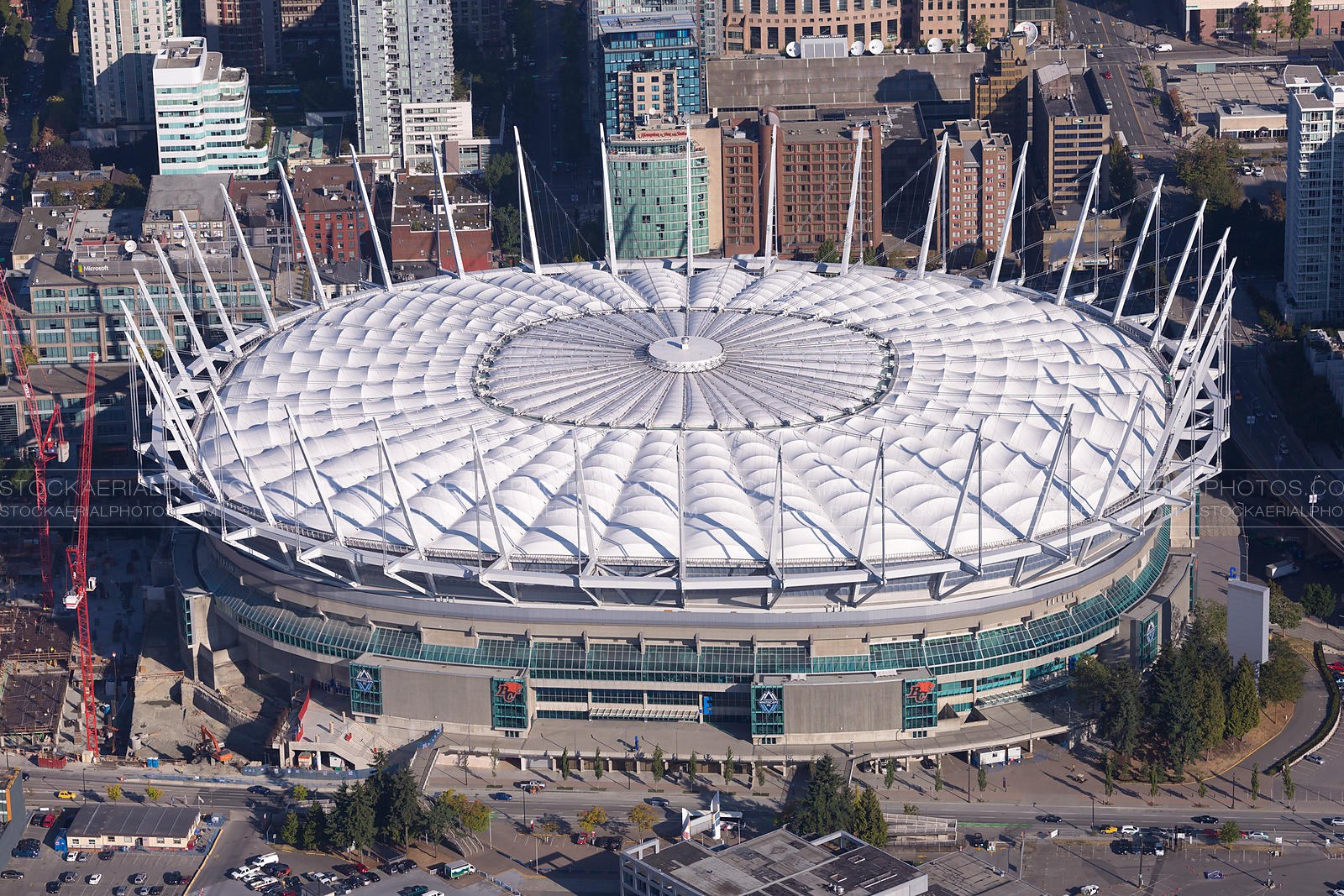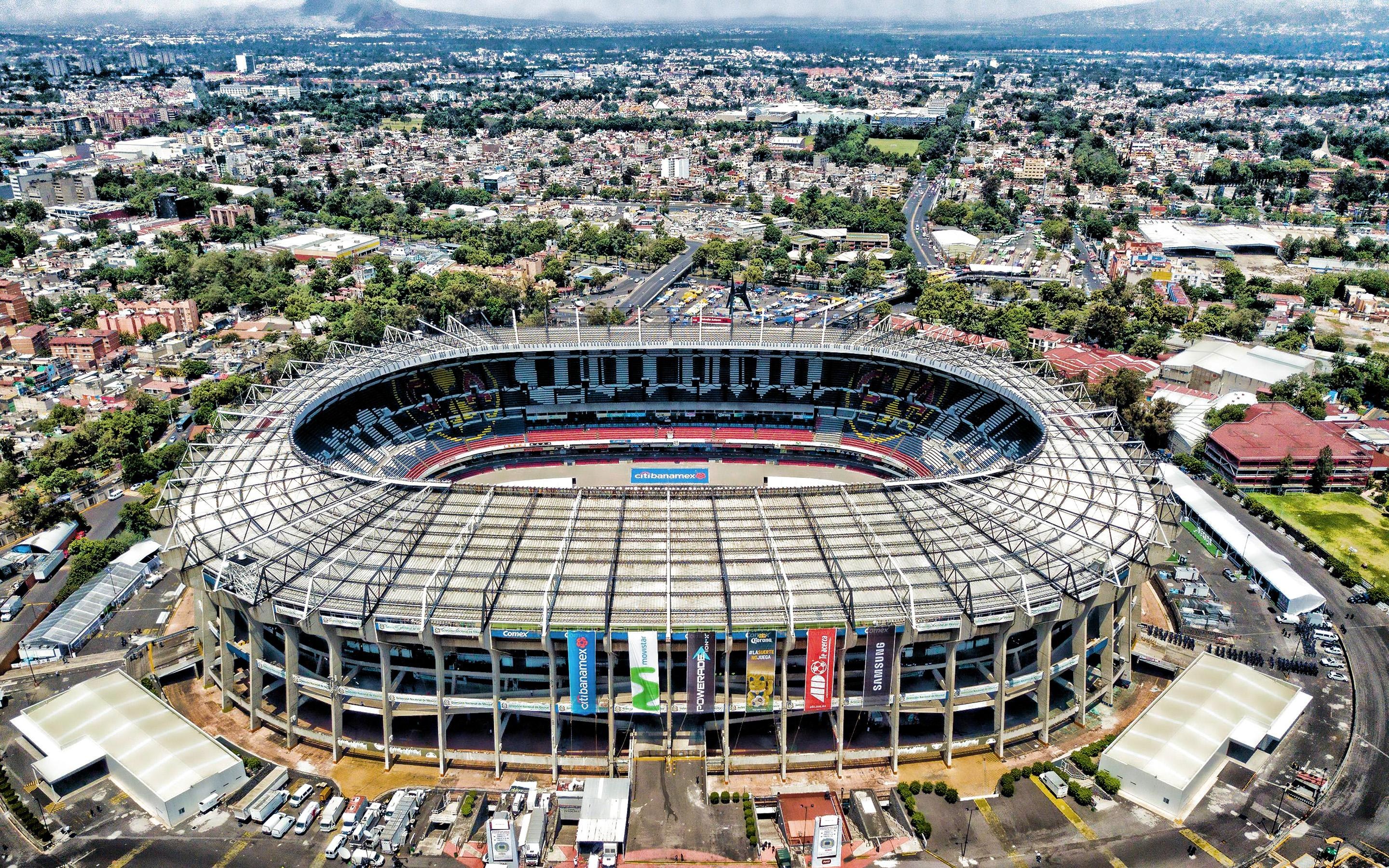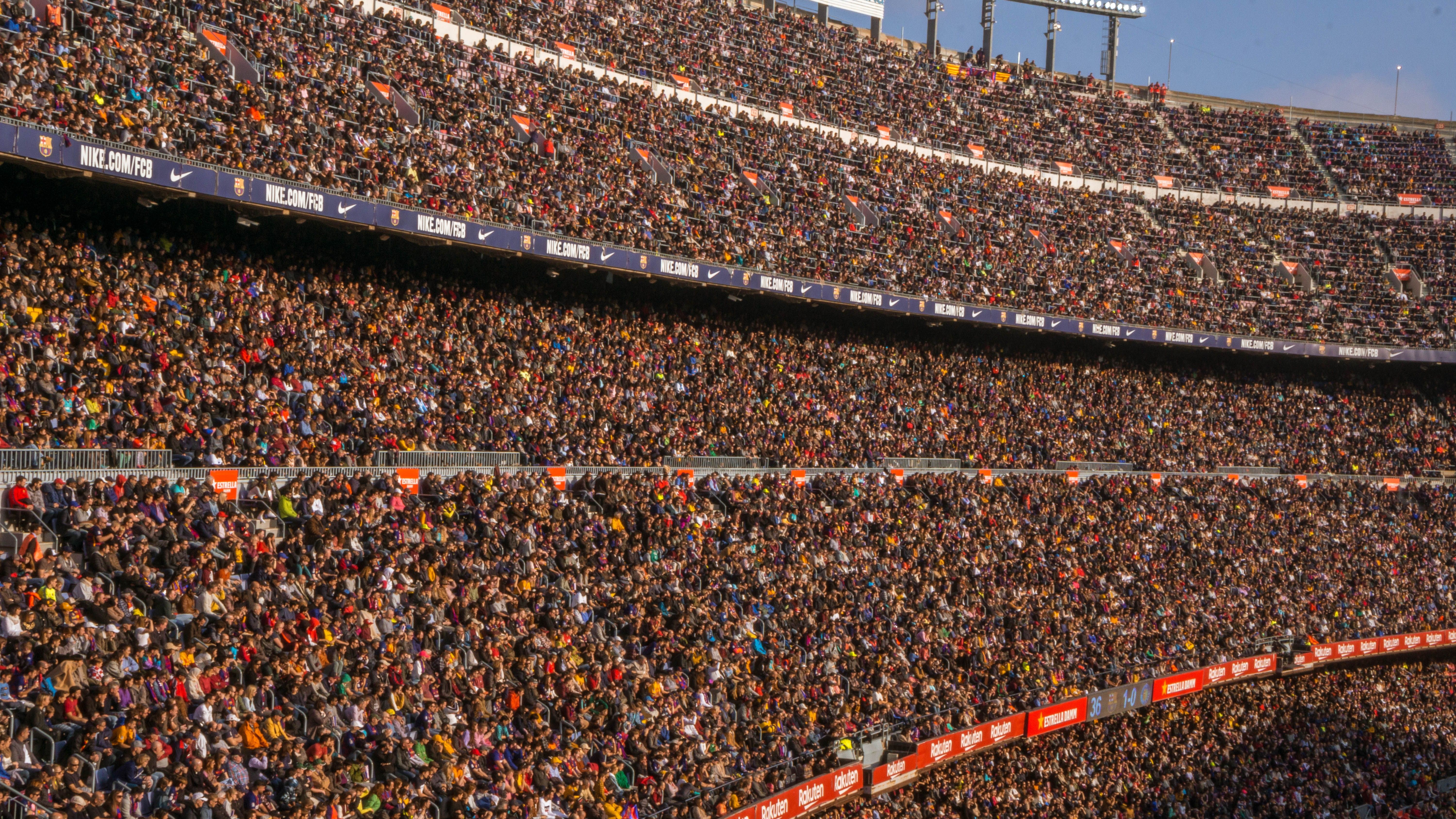



Knowing the World Cup 2026 host cities safety tips for fans is just as important as securing your tickets and booking your flights. The 2026 FIFA World Cup, running from June 11 to July 19, 2026, will be the largest in history — 48 teams, 104 matches, and 16 host cities spread across the United States, Canada, and Mexico. With that scale comes enormous crowds, unfamiliar cities, and a lot of travel, so a little preparation goes a long way toward keeping your trip smooth and stress-free.
This guide brings together practical, sensible safety advice for travelling supporters: how to research your destinations, move around safely, protect your documents and tickets, stay aware in big crowds, and respect local laws and stadium rules. None of it is complicated, but together these habits make the difference between a dream tournament and an avoidable headache.
World Cup 2026 Host Cities Safety Tips for Fans: Start With Research
The foundation of a safe trip is doing your homework before you leave home. The 2026 World Cup spans three countries and 16 host cities, each with its own character, neighbourhoods, transport systems, and local customs. The host cities include Atlanta, Boston (Foxborough), Dallas (Arlington), Houston, Kansas City, Los Angeles (Inglewood), Miami, New York/New Jersey, Philadelphia, the San Francisco Bay Area (Santa Clara), and Seattle in the USA; Toronto and Vancouver in Canada; and Mexico City, Guadalajara, and Monterrey in Mexico.
Because these cities are so varied, generic advice only goes so far. Take time to understand the specific area where you will be staying and the route to your stadium. Knowing which neighbourhoods are well suited to visitors, where the official fan zones are, and how locals typically get around will help you blend in rather than stand out as an easy target.
- Research neighbourhoods: Look into the areas around your accommodation and the stadium so you know what to expect day and night.
- Map your routes: Plan how you will travel between your hotel, the stadium, and fan zones before matchday.
- Check official guidance: Review local government travel advice and any official tournament information for each city you visit.
- Note emergency contacts: Save local emergency numbers and your country’s nearest embassy or consulate details.
Getting Around Safely With Official Transport
Transport is where a lot of avoidable trouble happens, simply because tired, excited fans take the first ride offered. Stick to official and reputable transport options. Each host city offers public transit, licensed taxis, and recognised ride-hailing services, and these are almost always safer than informal alternatives.
- Use official transport: Choose licensed taxis, established ride-hailing apps, and public transit rather than unmarked vehicles or informal offers.
- Plan around matchday crowds: Stadiums empty rapidly after the final whistle, so allow extra time and expect packed transit.
- Avoid travelling alone late at night: Where possible, move in groups and keep to busy, well-lit routes.
- Confirm details before riding: Check the vehicle, driver, and destination match your booking when using ride-hailing services.
Cross-border travel deserves special attention. With matches in three countries, some fans will move between the USA, Canada, and Mexico. Confirm your visa and entry requirements well in advance, allow plenty of time at borders and airports, and keep your travel documents organised and accessible.
Protecting Your Documents, Tickets, and Money
Your passport, match tickets, and payment cards are the things you absolutely cannot afford to lose. Treat them with care and build in backups so that a single mishap does not derail your trip.
- Keep documents safe: Use a hotel safe where available and carry only what you need for the day.
- Make copies: Store digital and physical copies of your passport and key documents separately from the originals.
- Guard against pickpockets: Use a secure bag or money belt in crowded areas and keep valuables out of easy reach.
- Buy only official tickets: Purchase exclusively through the official FIFA ticketing platform, as tickets from unofficial resellers may be invalid and can be cancelled.
Staying Aware in Crowds and Fan Zones
Fan zones, transit hubs, and stadium concourses will be packed with people in high spirits, and that energy is part of the magic of a World Cup. It also calls for situational awareness. Large crowds are where opportunistic theft and confusion tend to occur, so stay alert without being anxious.
Keep your phone and wallet secure, agree on a meeting point with your group in case you get separated, and know where the exits and stewards are. If an area feels overcrowded or tense, it is perfectly sensible to step back and wait for it to clear. Pace yourself with food, water, and rest, especially in the summer heat of cities like Houston, Dallas, and Miami, where high temperatures can be a genuine safety factor on their own.
- Set a meeting point: Agree where to regroup if your party gets split up in a crowd.
- Stay hydrated: Drink plenty of water and seek shade during hot, sunny match days.
- Watch for exits: Note the nearest exits and stewards whenever you enter a venue or fan zone.
- Trust your instincts: If a situation feels unsafe, calmly move away to a less crowded spot.
Respecting Local Laws and Stadium Policies
You are a guest in each host city, and laws and customs differ across the three host nations and even between regions. Familiarise yourself with local laws, including rules around alcohol, public behaviour, and what you can bring into venues. Stadium policies on bag sizes, prohibited items, and entry procedures are strictly enforced, and knowing them in advance saves you from being turned away or delayed at the gate.
Follow the instructions of stewards, security staff, and local police, arrive early to clear security comfortably, and be courteous to fans of all nations. A respectful approach not only keeps you safe but also reflects well on supporters everywhere and helps preserve the welcoming atmosphere that makes the World Cup special.
Frequently Asked Questions
Which cities are hosting the 2026 World Cup?
Sixteen cities across three countries are hosting matches: eleven in the USA (Atlanta, Boston, Dallas, Houston, Kansas City, Los Angeles, Miami, New York/New Jersey, Philadelphia, the San Francisco Bay Area, and Seattle), two in Canada (Toronto and Vancouver), and three in Mexico (Mexico City, Guadalajara, and Monterrey).
What is the most important safety tip for travelling fans?
Preparation is the single most valuable safety tool. Research your destinations, plan your routes, use official transport, keep your documents secure, and stay aware in crowds. These simple habits prevent the majority of common travel problems before they start.
How do I avoid ticket scams?
Buy exclusively through the official FIFA ticketing platform. Tickets from unofficial resellers, social media sellers, or street vendors may be invalid or duplicated, and FIFA can cancel tickets sold outside authorised channels, leaving you without entry on matchday.
Is it safe to travel between the host countries?
Yes, with proper planning. Confirm your visa and entry requirements for the USA, Canada, and Mexico well in advance, allow extra time at borders and airports, and keep your travel documents organised. Cross-border travel is straightforward when you prepare for it.
What should I do if I get separated from my group?
Agree on a meeting point and a backup plan before you head into any crowded area. Keep your phone charged, save your accommodation address, and note local emergency numbers so you can reconnect quickly and safely if you become separated.
Conclusion
The 2026 FIFA World Cup promises an unforgettable summer of football across the United States, Canada, and Mexico, and staying safe is what lets you enjoy every moment of it. By researching your host cities, using official transport, protecting your documents and tickets, staying aware in crowds, and respecting local laws and stadium policies, you put yourself in the best position to focus on the football rather than the hassles.
None of these steps require much effort, but together they form a reliable safety net for any travelling supporter. Plan well, stay alert, and treat each host city with respect, and your World Cup adventure will be one to remember for all the right reasons.
Call to Action
Planning your trip to the 2026 World Cup? Bookmark our blog for detailed host city guides, travel tips, and fan resources, and always buy your tickets through the official FIFA ticketing platform at FIFA.com/tickets. Share this guide with your travelling crew so everyone arrives prepared and ready to enjoy the tournament safely.