Meloni Calls Emergency Security Meeting After Italy Riots
Meloni Calls Emergency Meeting After Violent Clashes in Italy
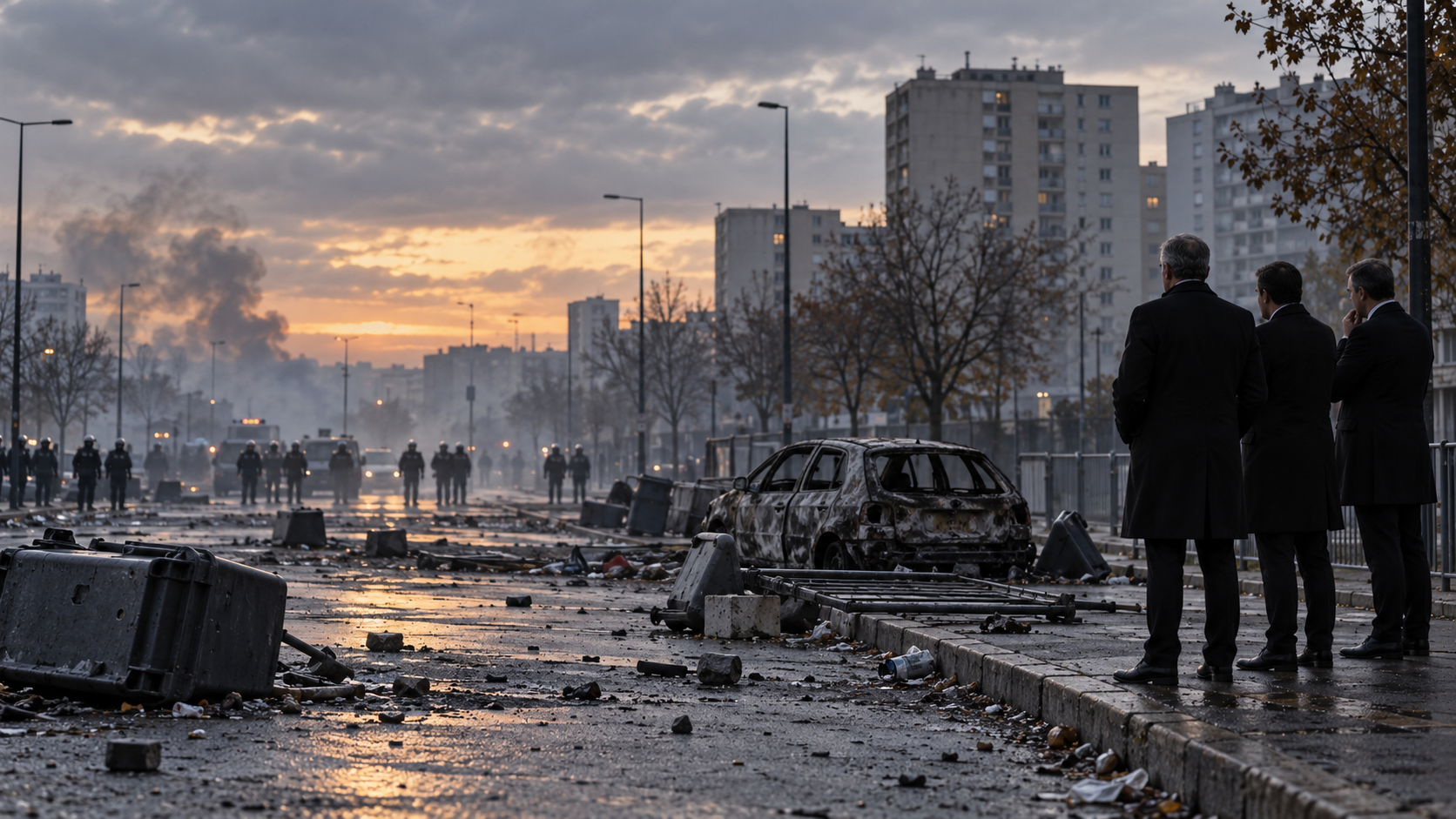
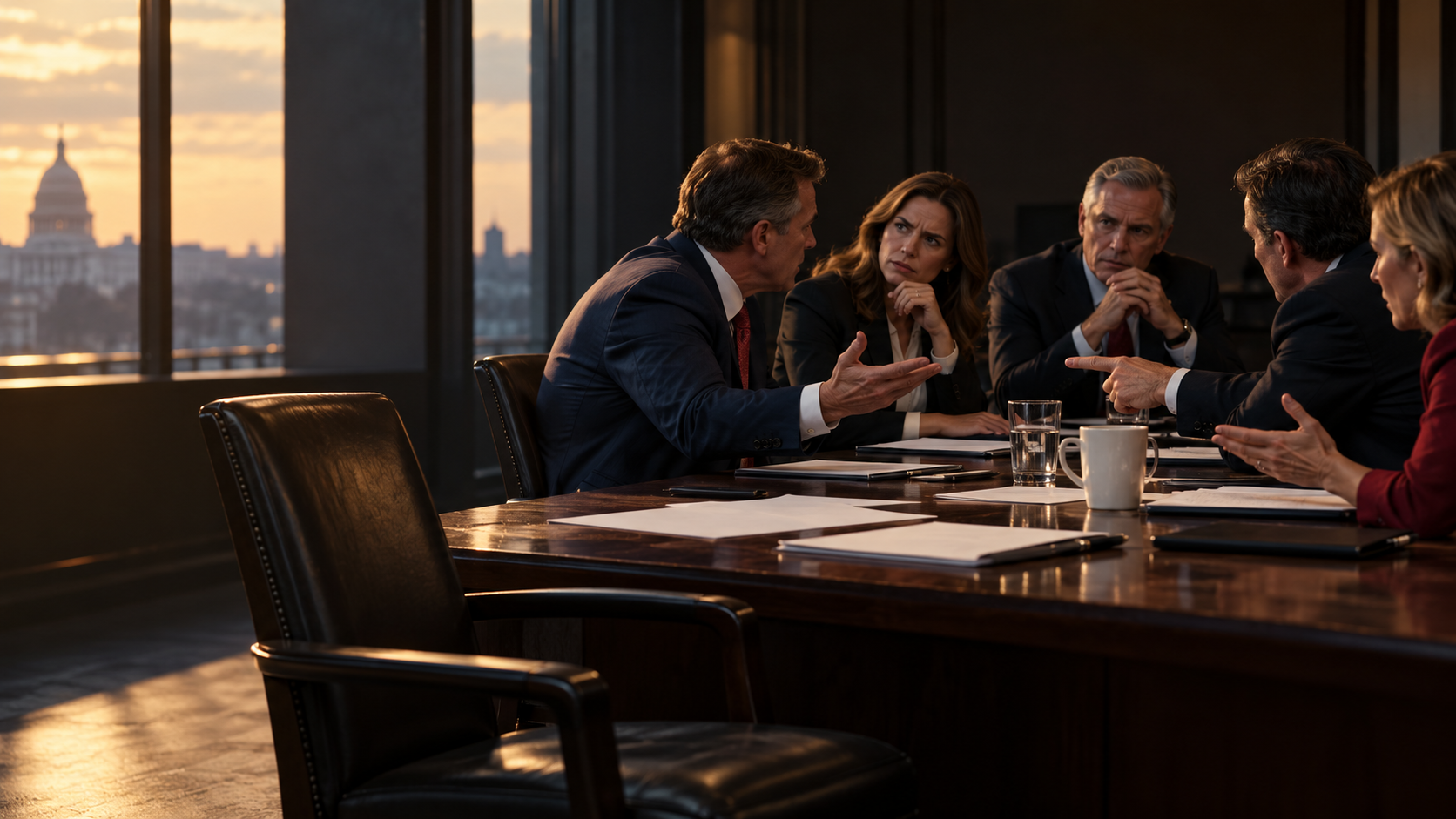
Italian Prime Minister Giorgia Meloni has called an emergency security meeting after violent clashes and riots were reported over the weekend. The meeting is expected to assess the unrest, review wider security concerns and coordinate the government’s response. Source 1
The decision to convene at national level, rather than leave the matter to city authorities alone, signals that the government treats the disorder as a public-order question with implications beyond the immediate streets affected.
What Happened During the Weekend Clashes?
Reports from the BBC and Politico described violent protests and riots in Italy. Milan was the main city identified in coverage of the unrest. However, available summaries do not establish the precise cause of the clashes, the number of participants, total injuries or the extent of property damage. Source 3
Three elements converge across the coverage: the unrest occurred over a weekend, Milan was the principal city cited, and the scale was sufficient to trigger a national security response. Those are the firm points. Everything else — the trigger, the crowd size, the injury toll, the damage estimate — remains open in the available reporting.
What Reports Establish and What They Leave Open
Readers should separate confirmed elements from gaps:
- Confirmed: weekend violence, Milan as the main location, a national emergency meeting, plans for tougher security measures, and reports of hundreds of detentions.
- Open: the cause of the clashes, the number of participants, injury totals, property damage, the exact number of detentions, how many people face formal charges, and the content of any new measures.
Early reporting on fast-moving public-order events typically runs ahead of official accounting. Injury and detention figures are usually reconciled later by police and prosecutors, and initial numbers are often revised. Treat any figure circulating without an official source as provisional.
Reports of Detentions in Milan
EU Today reported that hundreds of people were detained after riots in Milan. The available information does not confirm the exact number, whether all the detentions involved the same incident or how many people faced formal charges. Source 9
Detention, arrest, formal charges, prosecution and conviction are separate stages of the legal process. A person may be temporarily held for questioning without being charged, and a charge is not proof of guilt. Official figures from police, prosecutors and courts are needed to clarify the situation.
A single headline number covering “hundreds detained” can conceal wide variation: people held briefly for identification, people held for questioning, people arrested, and people later released without charge. When official figures appear, the useful questions are how many were held, for how long, under what legal basis, and how many were subsequently released.
Why Did Meloni Call the Meeting?
Meloni’s meeting reflects concern about the broader implications of the violence. While local authorities manage immediate disorder, a national security meeting can assess whether additional coordination, police deployments or policy changes are necessary. Source 1
Potential discussion points include the protection of public spaces, policing at demonstrations, coordination with city governments and safety arrangements around transport hubs. These are possible areas of review, not confirmed decisions.
One report said Meloni called for calm while urging a response to the unrest. The government must balance preventing further violence with protecting the right to peaceful assembly. Source 7
That balance is the central test. Authorities must distinguish violent acts from peaceful protest and apply any restrictions lawfully and proportionately. A response that treats all demonstrators as a security threat risks undermining the right to assembly; a response that ignores violence risks public safety and public confidence.
Italy Considers Tougher Security Measures
The BBC reported that Italy plans to introduce tougher security measures after violent protests in Milan. The reports do not identify proposed laws, penalties or new police powers. Source 5
Possible measures could include increased police presence in high-risk areas, stronger protection for transport hubs and public buildings, closer monitoring around protest sites and tighter coordination between national and local authorities. These possibilities should not be treated as confirmed policy until the government publishes details.
Any tougher response is likely to prompt debate about public safety, civil liberties, surveillance, crowd-control measures and police accountability.
Questions That Define the Debate
When details are published, the substance of the debate will turn on a few concrete points: what legal basis each measure relies on, how broadly it applies, whether it targets violent conduct or sweeps in lawful assembly, whether it is time-limited, and what oversight or review applies. Measures described only in general terms are difficult to assess, and the absence of detail is itself a reason for caution.
Advice for Residents and Travelers
Indian nationals in Italy were advised to avoid crowded areas during the protests. Travelers and residents should follow official local advisories, avoid active demonstrations, keep emergency contacts available and follow instructions from police and emergency services. Source 7
Protests can disrupt public transport, railway stations, roads, retail areas and tourist sites. The available reports do not identify specific closures, so travelers should confirm local conditions before starting a journey.
Practical Steps Before Travelling
- Check official local advisories and operator updates before leaving for stations, airports or event areas.
- Avoid active demonstrations and crowds rather than attempting to pass through them.
- Allow extra time for journeys in case of transport disruption.
- Keep emergency contacts available and follow police instructions.
- Nationals of other countries should consult their own embassy or consular channels for any country-specific guidance.
Handling Unverified Content
Unverified casualty figures, old videos and unsupported claims about the unrest should be treated cautiously. Before sharing footage, check the timestamp, whether the location can be verified, and whether an established newsroom or official channel has published it. During fast-moving events, recycled images from earlier incidents are common.
What Happens Next?
The emergency meeting could be followed by a government statement, additional police deployments or changes to procedures for managing large demonstrations. The timing and content of any measures remain unconfirmed.
Authorities are likely to monitor planned demonstrations and local security warnings. The government may also face political debate over whether stricter public-order rules are necessary or whether they could impose excessive restrictions on peaceful assembly.
Signals to Watch
- A government statement setting out what the meeting decided.
- Official police or prosecutorial figures on detentions and charges.
- Published detail on any new security measures, including scope and duration.
- Updated travel and public-safety advisories for affected areas.
Further reporting is needed to confirm the causes of the clashes, injury totals, detention figures, legal consequences and details of any new security measures.
Key Takeaways
- Giorgia Meloni called an emergency security meeting after violent clashes were reported in Italy.
- Milan was the main city identified in reports about the unrest.
- Reports said hundreds of people were detained, but no confirmed total is available.
- Italy is expected to introduce tougher security measures, although their details remain unclear.
- Indian nationals were advised to avoid crowded areas during the protests.
- Residents and travelers should follow official guidance and avoid active demonstrations.
- Police, prosecutors and government agencies must provide further verified information.
Frequently Asked Questions
Why did Giorgia Meloni call an emergency meeting?
She called the meeting after violent clashes and riots were reported over the weekend. Its purpose is to assess the unrest, review wider security risks and coordinate the government’s response.
Where did the reported protests take place?
Milan was the main location identified in the available reports. The summaries refer more broadly to unrest in Italy but do not provide a complete, verified list of affected cities.
Were people arrested or detained?
Reports said hundreds of people were detained after riots in Milan. The exact number and the number of formal charges have not been confirmed.
Does detention mean a person has been charged?
No. Detention, arrest, formal charges, prosecution and conviction are separate stages. A person may be held for questioning without being charged, and a charge is not proof of guilt.
What security measures will Italy introduce?
Italy plans tougher security measures, but the available reports do not specify the policies. Official government announcements are needed to confirm the details.
What should travelers in Italy do?
Travelers should avoid crowded areas and active demonstrations, monitor official advisories, allow extra travel time and follow instructions from police and emergency services.
Did Meloni call for calm?
Yes. One report said Meloni called for calm while the government responded to the unrest. Source 7