Trump Announces Ukraine Energy Ceasefire With Russia
Trump Announces Ukraine Energy Ceasefire With Russia
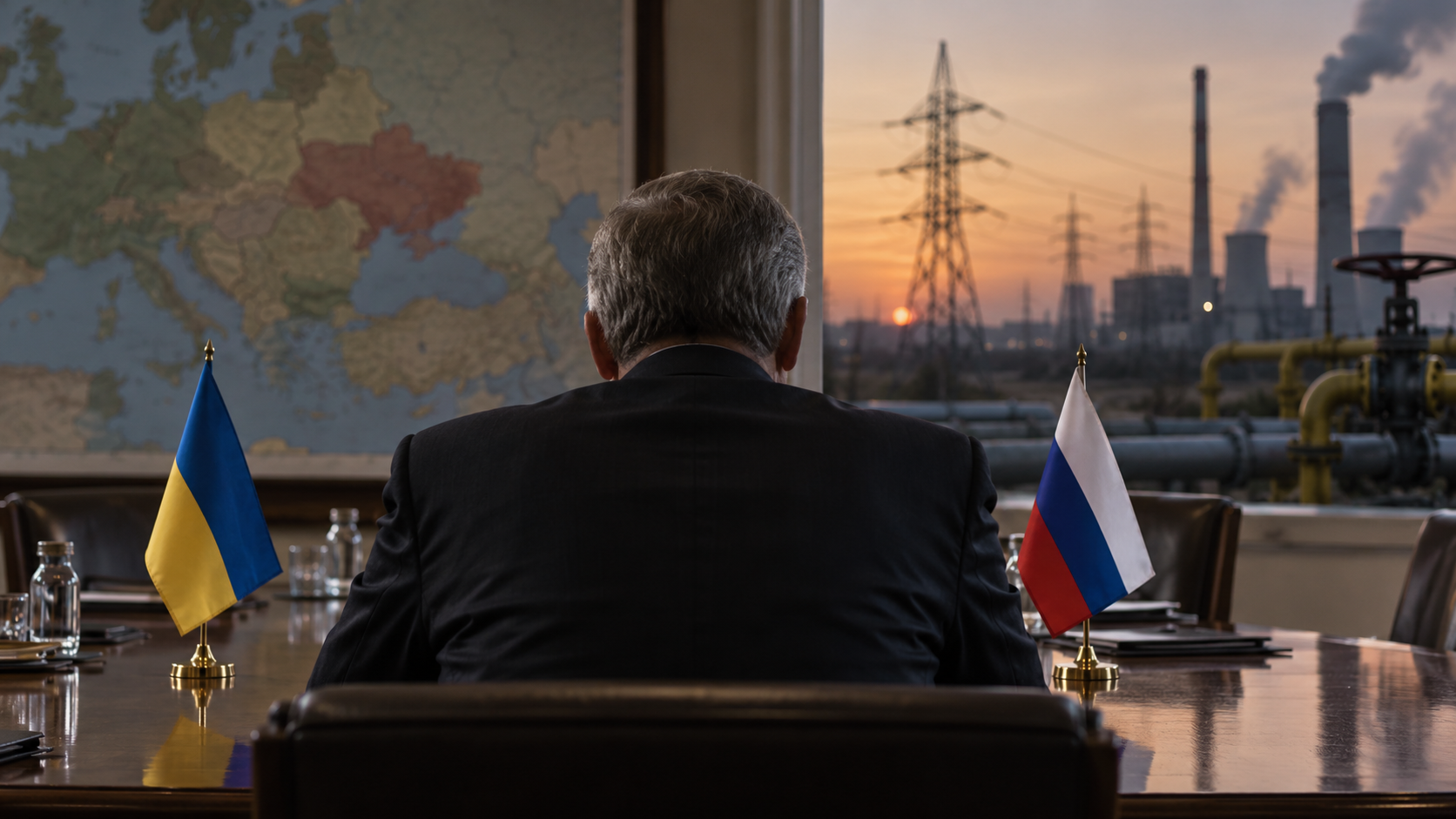
Donald Trump announced what he described as an “energy ceasefire” involving Russia and Ukraine, presenting it as a deal to halt attacks on energy infrastructure. The announcement reportedly surprised Ukrainian President Volodymyr Zelenskiy, although Ukraine supported the principle of protecting energy facilities and urged the parties not to disrupt the arrangement. Source 1
The proposal concerns a limited pause in attacks, not an established end to the Russia-Ukraine war. It should therefore be distinguished from a general military ceasefire covering ground operations, missile strikes, drone attacks, naval activity, and other combat operations.
Available reports provide only a partial account. They do not establish the complete text of an agreement, its duration, enforcement mechanism, or the precise facilities covered. One report said Moscow had offered no immediate response, leaving the arrangement’s formal status uncertain. Source 7
The central question is whether Trump’s announcement represents a formal agreement, a political proposal, or an early confidence-building measure for broader peace talks.
What Trump Announced
An energy ceasefire is a proposed pause in attacks against energy-related infrastructure. It could include power plants, electricity substations, transmission lines, fuel-storage sites, oil and gas facilities, heating systems, and other installations supporting civilian and industrial life.
The reports describe a proposed halt to attacks on energy infrastructure, potentially in both Russia and Ukraine if the arrangement is reciprocal. However, the available summaries do not provide a definitive list of protected facilities. Source 9
An energy ceasefire would not necessarily stop fighting elsewhere. Military operations could continue around cities, front-line positions, transport routes, ports, and other strategic locations unless the parties agree to broader restrictions.
The practical value of the arrangement would depend on how the parties define covered facilities. A power plant, transmission tower, fuel depot, and gas-processing facility may have different military and legal classifications. Without a complete treaty or operational document, the announcement is best treated as a reported political arrangement rather than a fully documented and independently verified settlement.
Zelenskiy’s Reaction and Ukraine’s Position
Reports said Trump’s announcement caught Zelenskiy by surprise. The surprise appears to concern the announcement’s timing and process rather than the humanitarian goal of protecting energy infrastructure. Source 5
Ukraine has strong practical reasons to support a pause in attacks on energy facilities. Damage to electricity and heating systems can affect civilians, hospitals, water services, communications, and industrial operations. During winter, attacks can create additional risks by forcing repair teams to work under dangerous conditions and requiring authorities to manage blackouts, emergency power, fuel, and shelter.
One report said Ukraine backed the arrangement and urged the parties not to disrupt it. Source 9
Support for a limited energy pause does not necessarily indicate acceptance of a broader political settlement. Kyiv could support a humanitarian measure while continuing to seek security guarantees, territorial recognition, and clear enforcement provisions in any wider peace process.
The reports do not explain the full diplomatic sequence or establish whether Ukraine received advance notice of Trump’s statement. A government can support the objective of protecting critical infrastructure while objecting to the timing or public presentation of an announcement.
Why Energy Infrastructure Matters
Energy infrastructure supports communications, transport, water networks, factories, hospitals, public administration, and military logistics. Fuel facilities support vehicles, generators, aircraft, and industrial activity.
Damage to an energy network can affect communities far from the immediate blast site. A strike on a generating station may disrupt connected areas, while damage to a substation can interrupt supply even when power plants remain operational.
Potential consequences include:
- Rolling electricity blackouts
- Disrupted heating during cold weather
- Reduced industrial production
- Pressure on hospitals and emergency services
- Interruptions to water and sanitation systems
- Damage to communications and transport networks
- Higher repair and emergency-response costs
The dual civilian and strategic role of energy infrastructure makes a ceasefire potentially significant but difficult to define. A facility may support civilian services while also serving military or industrial purposes.
A narrow pause could reduce civilian suffering without requiring Russia and Ukraine to resolve disputes over territory, sovereignty, front lines, or security guarantees. It could give engineers more time to restore damaged systems and improve winter preparations. However, it could remain vulnerable to disputes over scope, violations, and attribution without a durable monitoring system.
What Remains Unclear
The available reports do not answer several basic questions:
- Which types of energy infrastructure are covered?
- Does protection apply to facilities in both Russia and Ukraine?
- Are facilities in occupied territories included?
- Does the arrangement cover power plants, substations, fuel depots, pipelines, and heating networks?
- How long will the pause last?
- Does it begin immediately or require formal confirmation?
- Does it cover direct attacks only, or also sabotage and other disruptions?
Geography is especially important. If occupied areas are included, the parties may disagree over how the arrangement applies. The source summaries do not provide a protected-facility list or confirmed timeline.
Verification and enforcement are also unresolved. Any ceasefire requires a process for investigating alleged breaches, attributing missile and drone strikes, assessing sabotage claims, distinguishing accidental damage from deliberate action, and responding to confirmed violations.
Possible monitoring tools could include military hotlines, national authorities, international organizations, satellite imagery, or independent investigators. The available reports do not identify such a mechanism.
A political announcement is not the same as an operational military order. Commanders need clear instructions about target categories, geographic boundaries, timing, and responses to suspected breaches. Without consistent instructions, the arrangement could fail even if senior leaders support its general principle.
Russia’s Initial Response
One supplied report said Moscow offered no immediate response. Source 7
The absence of an immediate public reaction does not establish acceptance or rejection. Russia may need time to assess the proposal, clarify its conditions, or decide how to present its position. It may also indicate that the announcement did not yet represent a mutually confirmed agreement.
Until official statements align, the status of the energy ceasefire remains uncertain. Statements from the Kremlin, Russian defense authorities, Ukraine, and the United States will be important in determining whether a formal arrangement exists.
A Possible Confidence-Building Measure
A limited energy pause could become part of a broader peace process. A possible sequence would involve:
- Agreement on protected infrastructure.
- A temporary reduction in attacks.
- Monitoring and documentation of compliance.
- Negotiation of additional humanitarian measures.
- Discussion of broader military and political issues.
Such an arrangement would not resolve disputes over territory, sovereignty, security guarantees, or occupied areas. It could nevertheless create a channel for communication and test whether limited reciprocal commitments are possible.
Trump’s public announcement gives the proposal political visibility and may pressure Russia and Ukraine to clarify their positions. It also carries risks. If the parties interpret the announcement differently, public attention could intensify disputes rather than resolve them. If no written agreement follows, they may disagree over whether a ceasefire exists at all.
The available reports do not establish which terms Trump personally negotiated or whether all parties approved the same text. The announcement should therefore not be presented as proof of a completed peace deal.
Potential Benefits and Risks
An effective energy ceasefire could provide Ukraine with reduced damage to electricity and heating systems, better protection for civilians and essential services, more time for repairs, lower emergency-response costs, improved winter preparedness, and a possible channel for wider negotiations.
If reciprocal, it could also reduce risks to Russian energy facilities and give Moscow an opportunity to participate in a limited diplomatic framework without resolving the broader war. The reports do not establish Russia’s motives or final position, so these benefits remain conditional.
The arrangement could fail because of:
- Ambiguous definitions of energy infrastructure
- Different interpretations of what constitutes an attack
- Disputes over occupied territories
- Claims involving accidental damage or sabotage
- Allegations of false-flag operations
- Continued fighting near protected facilities
- Lack of independent verification
- Failure to issue clear military orders
- Political criticism over perceived concessions
- Claims that one side is using the pause for military repositioning
A limited ceasefire can collapse even when both parties support its general principle. The most difficult disputes often concern attribution and scope. One side may describe an incident as a direct attack, while the other calls it collateral damage, a technical failure, or an operation outside the agreement’s boundaries.
What to Watch Next
The next important development will be formal confirmation from the United States, Ukraine, and Russia. Observers should compare the parties’ statements rather than rely on a single announcement.
Key details include the start date, duration, covered facilities, geographic scope, monitoring process, and response to violations. Matching statements would strengthen the case that a genuine agreement exists. Conflicting descriptions would indicate that negotiations remain incomplete.
Implementation can be assessed by monitoring reported attacks on power plants, substations, fuel facilities, transmission networks, and related infrastructure. Claims should be compared across sources, including assessments from international organizations, satellite analysts, and verified monitoring groups.
A further test will be whether the arrangement expands to other humanitarian issues or broader military activity. Expansion would suggest that the energy ceasefire is becoming part of a wider diplomatic process. Continued fighting outside the energy sector would confirm that it remains limited.
Conclusion
Trump announced an energy-focused ceasefire involving Russia and Ukraine, reportedly surprising Zelenskiy while Ukraine supported the objective of protecting energy infrastructure. Source 1
The proposal could reduce civilian harm, protect critical services, and create a limited channel for Russia-Ukraine diplomacy. Its significance remains uncertain because Russia’s formal position, the scope of protected facilities, the duration of the pause, and the enforcement process have not been fully established.
The announcement should not be described as a full peace deal or general ceasefire. Its importance will depend on implementation. If attacks on energy infrastructure decline and the parties publish matching terms, it could become a meaningful diplomatic step. If the terms remain unclear or violations begin immediately, its practical effect may be limited.
Frequently Asked Questions
What is the Ukraine energy ceasefire announced by Trump?
It is a proposed or announced pause in attacks against energy infrastructure connected to the Russia-Ukraine war. Available reports do not establish that it is a comprehensive ceasefire covering all military operations.
Why was Zelenskiy reportedly surprised?
Reports indicate that Trump announced the arrangement in a way that caught Zelenskiy off guard. The available summaries do not explain the full diplomatic process or confirm whether Ukraine received advance notice.
Did Ukraine support the energy ceasefire?
Yes. One supplied report says Ukraine backed the arrangement and urged the parties not to disrupt it. Source 9 Support for protecting energy infrastructure does not necessarily indicate agreement with a broader peace settlement.
Did Russia formally accept the ceasefire?
The supplied reports do not confirm formal Russian acceptance. One report says Moscow offered no immediate response, leaving the arrangement’s status uncertain. Source 7
What infrastructure could the ceasefire protect?
It could potentially cover power plants, substations, transmission lines, fuel facilities, oil and gas infrastructure, heating systems, and other installations supporting electricity and essential public services. The precise list remains unclear.
Could the energy ceasefire lead to a broader peace agreement?
It could serve as a confidence-building measure, but it does not guarantee wider negotiations or an end to the war. Its impact will depend on implementation, monitoring, enforcement, and whether the parties expand discussions beyond energy infrastructure.
Artikel Terkait
-
 Trump Says Russia and Ukraine Agreed to Energy Ceasefire
-
 Saudi Arabia Vows Retaliation After Riyadh Airport Strike
-
 Pope Leo’s Lung Nodule Surgery: What We Know
-
 Man Dies After Entering Tiger Habitat at UK Zoo
-
 Hurricane Isaias Videos, Photos, and Storm Damage
-
 Mullin Defends Livestreaming Hasan Execution Proposal