Senators Urge Trump to Abandon Russian Diesel Deal
Senators Urge Trump to Abandon Russian Diesel Deal
A bipartisan group of six U.S. senators has reportedly urged President Donald Trump to abandon a proposed Russian diesel arrangement, adding congressional pressure to a wider dispute over the administration’s policy toward Russian energy.
The lawmakers reportedly called on Trump to cancel the proposal or “immediately reverse course.” Utah Senator John Curtis is among those identified in available reporting, although the reports do not name all six senators or publish the complete text of their statement. Source 3
The dispute involves U.S. sanctions policy, economic pressure related to the Russia-Ukraine war, energy security, and congressional oversight. However, the available reports describe a proposal rather than a confirmed or completed transaction.
What the Senators Asked Trump to Do
The senators’ central demand is that the administration stop pursuing the proposed Russian diesel arrangement. One report says the group urged Trump to cancel the deal, while another says six senators called for an immediate reversal. A separate report identifies John Curtis as one of the lawmakers opposing the proposal. Source 7
The wording varies, but the substance is consistent: the senators oppose moving forward and want the administration to change direction.
Their statement would not automatically block the transaction. A request from senators is not the same as a statute, sanctions prohibition, funding restriction, or binding congressional resolution. Unless another legal or policy barrier applies, the administration could still pause, modify, or pursue the proposal.
The bipartisan nature of the objection increases its political significance. Bipartisan opposition could make it more difficult for the White House to characterize the criticism as a dispute limited to one party or congressional faction.
The Hill separately reported that bipartisan lawmakers challenged Trump’s position on Russian oil. The available summary does not provide the lawmakers’ names, the statement’s full language, or the precise policy at issue. Source 5
That broader criticism may reflect a wider disagreement over Russian energy policy, but Russian crude, refined petroleum products, and diesel are not necessarily covered by the same transaction or legal rules.
What Is Known About the Proposed Deal
The available reports do not identify:
- The Russian supplier
- The U.S. buyer or participating agency
- The fuel volume or transaction value
- The delivery route, ports, or storage facilities
- The proposed start date
- The payment, shipping, or insurance providers
- Whether the agreement has been signed
- Whether any shipment has occurred
- Whether a sanctions license or waiver has been requested
These details are essential to assessing the proposal’s commercial, legal, and foreign-policy implications. A small private transaction would differ substantially from a large government-backed purchase. The analysis would also change depending on whether the fuel traveled directly from Russia, passed through a third country, or came from a company with Russian ownership or control.
The reports refer to a proposal, plan, or arrangement. They do not confirm that the agreement is finalized or operational. Source 9
Why the Dispute Matters
Diesel is a critical industrial and transportation fuel. Freight carriers, farmers, construction companies, manufacturers, and military logistics systems rely on it. A large import arrangement could affect fuel supply flexibility, refinery demand, transportation costs, and regional prices.
The available sources provide no volume estimate or market analysis, so the proposal’s effect on prices and supply cannot be predicted. A limited transaction might have little broader impact, while a large government-backed purchase could raise significant questions about energy policy and national security.
“Russian oil” may refer to crude petroleum, refined products, or both. Diesel is a refined petroleum product, and restrictions on Russian crude may differ from restrictions on refined products. The senators’ reported objection appears focused on a Russian diesel arrangement, while the separate Hill report addresses Russian oil more broadly. The available reporting does not establish that the matters involve the same transaction.
Policy and Legal Questions
Opponents may argue that permitting a Russian energy transaction would weaken U.S. pressure on Moscow by providing commercial income or political relief during the war in Ukraine. They may also contend that Russian diesel imports could increase dependence on a geopolitical rival and complicate coordination with European allies and Ukraine.
The administration could argue that additional fuel access would improve supply flexibility, support price stability, or create diplomatic leverage. The supplied reports do not include a detailed White House defense of the proposal.
The transaction’s legality would depend on its final structure and the rules in effect at the time. Key questions include:
- Would the purchase violate existing U.S. sanctions?
- Would it require a Treasury Department license or waiver?
- Would the buyer, seller, shipper, insurer, or bank face restrictions?
- Would the fuel qualify as Russian-origin under applicable rules?
- Would a third-country intermediary change the analysis?
- Would customs or trade restrictions apply separately from financial sanctions?
The available reports do not establish that the proposal is illegal. They also do not identify a license, waiver, exemption, or executive action authorizing it. Treasury or State Department guidance would be needed to assess the legal basis.
Broader Russia and Energy Policy
The reported dispute may form part of a wider disagreement over whether Russian energy should remain primarily a target of economic pressure or become a tool for supply management and diplomacy.
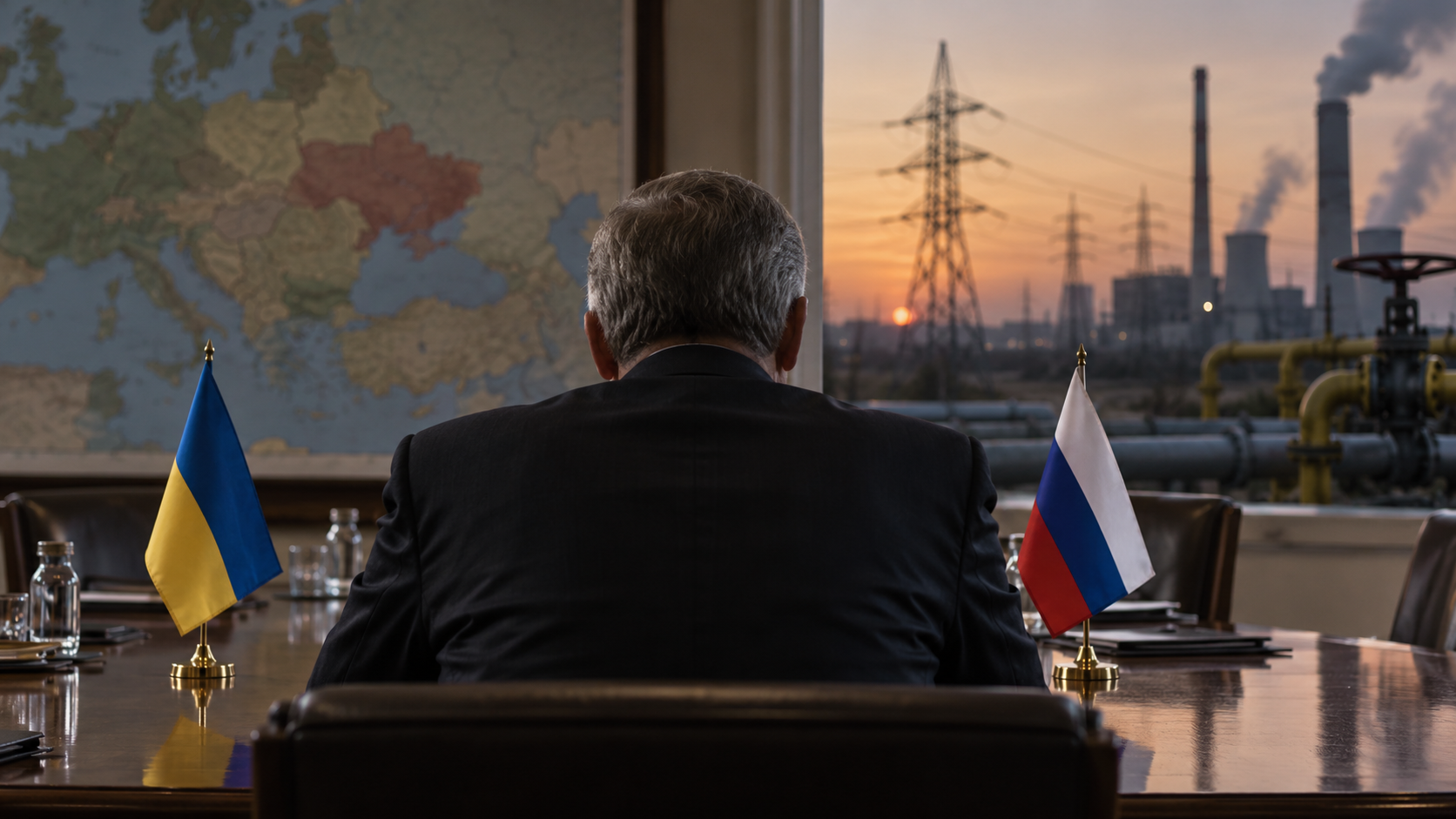
A separate UPI report said Trump stated that Russia and Ukraine had agreed not to attack each other’s energy facilities. The supplied summary dates that report to October 11, 2026. Source 1
That reported understanding concerns attacks on energy infrastructure and is separate from the proposed diesel transaction. The available material does not show that it caused, influenced, or authorized the fuel proposal.
What Happens Next
The administration could:
- Cancel the proposal.
- Pause negotiations for sanctions and national-security reviews.
- Modify the arrangement to exclude certain counterparties, routes, or payment systems.
- Seek a license, waiver, or legal opinion.
- Proceed despite the senators’ objections.
The Treasury Department would likely be relevant to sanctions and financial institutions. The State Department could address diplomatic issues, while the Department of Energy could become involved if the arrangement affected fuel supply or energy security. Customs and trade officials could review fuel origin and import classification.
Congress could pursue hearings, document requests, agency testimony, sanctions legislation, funding restrictions, or oversight of any license or waiver. Congressional opposition alone would not determine the outcome; legislation would need to pass through the congressional process and could face a presidential veto.
Observers may also monitor diesel prices, refinery data, import statistics, shipping activity, insurance restrictions, and sanctions guidance. The market impact would depend on the transaction’s size and structure.
Conclusion
Six senators, including Utah Senator John Curtis, reportedly urged President Trump to cancel or reverse course on a proposed Russian diesel deal. The bipartisan demand adds political pressure to a broader debate over Russian energy, sanctions, Ukraine, and U.S. energy security.
Major questions remain unanswered. The supplied reporting does not identify the counterparties, volume, value, timing, delivery route, sanctions authority, or completion status. It also does not provide the full reasoning of each senator or a detailed administration response.
The immediate question is whether the administration will cancel the proposal, pause it for review, modify its terms, or proceed despite congressional opposition. The diesel proposal should remain distinct from the separately reported understanding concerning attacks on Russian and Ukrainian energy facilities.
Frequently Asked Questions
Why are senators opposing the Russian diesel deal?
The bipartisan group appears concerned that the proposal could weaken pressure on Russia and signal a broader change in U.S. Russian energy policy. The available reports do not provide each senator’s individual reasoning.
Which senators are involved?
The reporting identifies six senators and specifically names Utah Senator John Curtis. It does not list all six lawmakers.
Has the deal been finalized?
No. The reports describe a proposed deal or plan but do not confirm that it has been signed, completed, or put into effect.
Would the deal violate U.S. sanctions?
The available information does not establish that. The answer would depend on the counterparties, payment systems, shipping arrangements, fuel origin, and any license or waiver issued by the U.S. government.
What could happen next?
The administration could cancel, pause, revise, or continue the proposal. Congress could pursue hearings, document requests, sanctions legislation, funding restrictions, or other oversight measures.
Artikel Terkait
-
 Trump Says Russia and Ukraine Agreed to Energy Ceasefire
-
 Saudi Arabia Vows Retaliation After Riyadh Airport Strike
-
 Pope Leo’s Lung Nodule Surgery: What We Know
-
 Man Dies After Entering Tiger Habitat at UK Zoo
-
 Hurricane Isaias Videos, Photos, and Storm Damage
-
 Mullin Defends Livestreaming Hasan Execution Proposal