Large Study Finds No Link Between Ultra-Processed Food and Colorectal Cancer
Large Study Finds No Link Between Ultra-Processed Food and Colorectal Cancer
A large cohort study found no overall association between total ultra-processed food intake and colorectal cancer among 461,682 older adults followed for nearly 19 years. In this population, participants who consumed more ultra-processed food did not have a statistically meaningful increase in colorectal cancer risk compared with those who consumed less. Source 1
This result does not mean ultra-processed foods prevent colorectal cancer or that every product in this broad category is harmless. The study examined total intake, while individual products, nutrient profiles, and overall dietary patterns may have different relationships with health.
What Are Ultra-Processed Foods?
Ultra-processed foods are industrially formulated products made with multiple ingredients and processing techniques. They may contain flavorings, colorings, sweeteners, emulsifiers, preservatives, or other substances used to improve taste, texture, shelf life, or convenience.
Common examples include:
- Packaged snacks
- Soft drinks and other sweetened beverages
- Instant noodles
- Processed meat products
- Packaged desserts
- Some breakfast cereals
- Frozen ready meals
- Commercially prepared breads and sauces
The category is broad. A sugary beverage and a fortified packaged food may both be classified as ultra-processed while having very different nutritional profiles. Processing level alone does not show how much fiber, sodium, sugar, saturated fat, or protein a product contains.
What the Study Examined
The study followed 461,682 older adults for nearly 19 years. This long follow-up allowed researchers to observe colorectal cancer diagnoses over an extended period. Source 7
Researchers assessed participants’ overall ultra-processed food consumption rather than focusing on one specific product. The main outcome was whether higher intake was associated with more colorectal cancer diagnoses.
The central finding was negative: researchers found no overall association between total ultra-processed food consumption and colorectal cancer in this cohort. Source 9
What “No Association” Means
“No association” means the study did not observe a meaningful overall relationship between total ultra-processed food intake and colorectal cancer risk. It does not prove that these foods are harmless, that they protect against cancer, or that diet has no effect on colorectal cancer.
A lack of association may reflect the absence of a relationship, effects limited to specific products, or measurement and study-design limitations that make smaller effects difficult to detect.
The finding also does not settle the broader debate. Studies can differ in their participant groups, follow-up periods, dietary questionnaires, definitions of ultra-processed foods, statistical adjustments, and cancer outcomes. Source 3
Why Total Intake May Not Tell the Whole Story
Ultra-processed foods differ in calories, fiber, sodium, added sugar, fat quality, protein, portion size, and overall nutrient content. A soft drink, instant meal, packaged dessert, and commercial bread may share a classification while having different nutritional roles and potential biological effects.
Dietary patterns also matter. People who consume more packaged foods may differ in fiber intake, fruit and vegetable consumption, total calorie intake, meat consumption, physical activity, alcohol use, or other lifestyle factors. Researchers can adjust for some factors, but statistical adjustment cannot perfectly separate every influence. Source 5
Food quality involves more than processing level. Fiber, whole grains, fruits, vegetables, legumes, protein sources, sodium, added sugar, saturated fat, and portion size all contribute to dietary quality. Processing can also improve food safety, shelf life, convenience, or nutrient availability.
Study Limitations
The study was observational. It identified patterns but did not randomly assign diets, so it cannot prove that ultra-processed food causes or prevents colorectal cancer.
Dietary intake may also have been misremembered or misreported. Eating habits can change over nearly two decades, while a single questionnaire may not capture those changes. Product formulations, labels, and serving sizes can change as well.
Because participants were older adults, the results may not apply equally to younger people, other geographic or ethnic groups, or populations with different food environments. The broad food category may also conceal associations involving specific products or subgroups.
What the Findings Mean for Everyday Eating
Do not increase ultra-processed food consumption because of this study. No observed association is not evidence of a health benefit.
A practical eating pattern can emphasize:
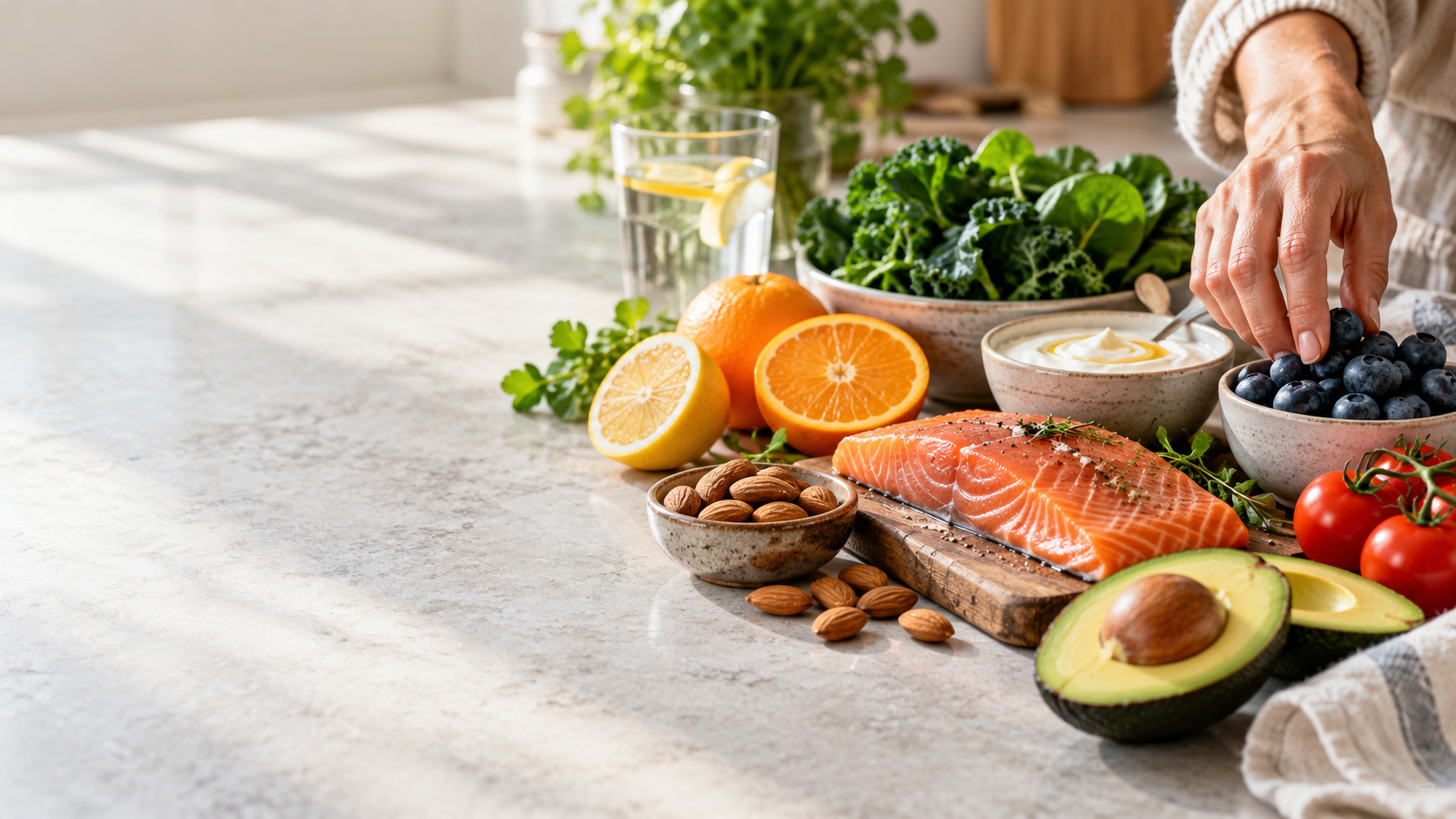
- Vegetables and fruit
- Beans, lentils, and other legumes
- Whole grains
- Nuts and seeds
- Fish, poultry, or other suitable protein sources
- Adequate dietary fiber
Packaged foods can fit into a balanced diet. When comparing products, check the ingredient list, fiber, added sugar, sodium, saturated fat, protein, and portion size. The goal is dietary quality and variety, not an extreme elimination diet based on one study.
Dietary research does not replace colorectal cancer screening. Follow age- and risk-based screening recommendations, discuss family history with a healthcare professional, maintain regular physical activity, avoid tobacco, limit alcohol, and seek medical advice for persistent bowel symptoms.
Bottom Line
A study of 461,682 older adults followed for nearly 19 years found no overall association between total ultra-processed food intake and colorectal cancer. The result weakens the claim that total ultra-processed food consumption alone predicts colorectal cancer in this population.
It does not show that ultra-processed foods are harmless or beneficial. Specific products, ingredients, nutrient profiles, dietary patterns, and subgroups may still matter. Prioritize a varied, fiber-rich diet, moderate foods high in added sugar, sodium, or saturated fat, and follow recommended colorectal cancer screening.
Frequently Asked Questions
Does this study prove that ultra-processed foods do not cause colorectal cancer?
No. It found no overall association in the studied population. Because the study was observational, it cannot prove that ultra-processed foods are harmless or establish cause and effect.
Should people stop worrying about ultra-processed foods?
No. The study does not support ignoring diet quality. Ultra-processed foods vary widely, and the research examined total intake rather than every individual product.
Can specific ultra-processed foods still affect colorectal cancer risk?
Possibly. The finding concerns overall intake, not every product or subgroup. Specific foods, ingredients, nutrient profiles, and broader dietary patterns require separate analysis.
What foods may support colorectal cancer prevention?
A balanced diet emphasizing vegetables, fruit, legumes, whole grains, and other fiber-rich foods is consistent with healthy eating guidance. Screening, physical activity, avoiding tobacco, and moderating alcohol also matter.
Should this study change colorectal cancer screening plans?
No. Dietary research does not replace screening. Follow recommendations based on age, personal health, family history, and advice from a qualified healthcare professional.