Erie County Confirms Diphtheria Case and School Exposure
Erie County Confirms Diphtheria Case and Potential School Exposure
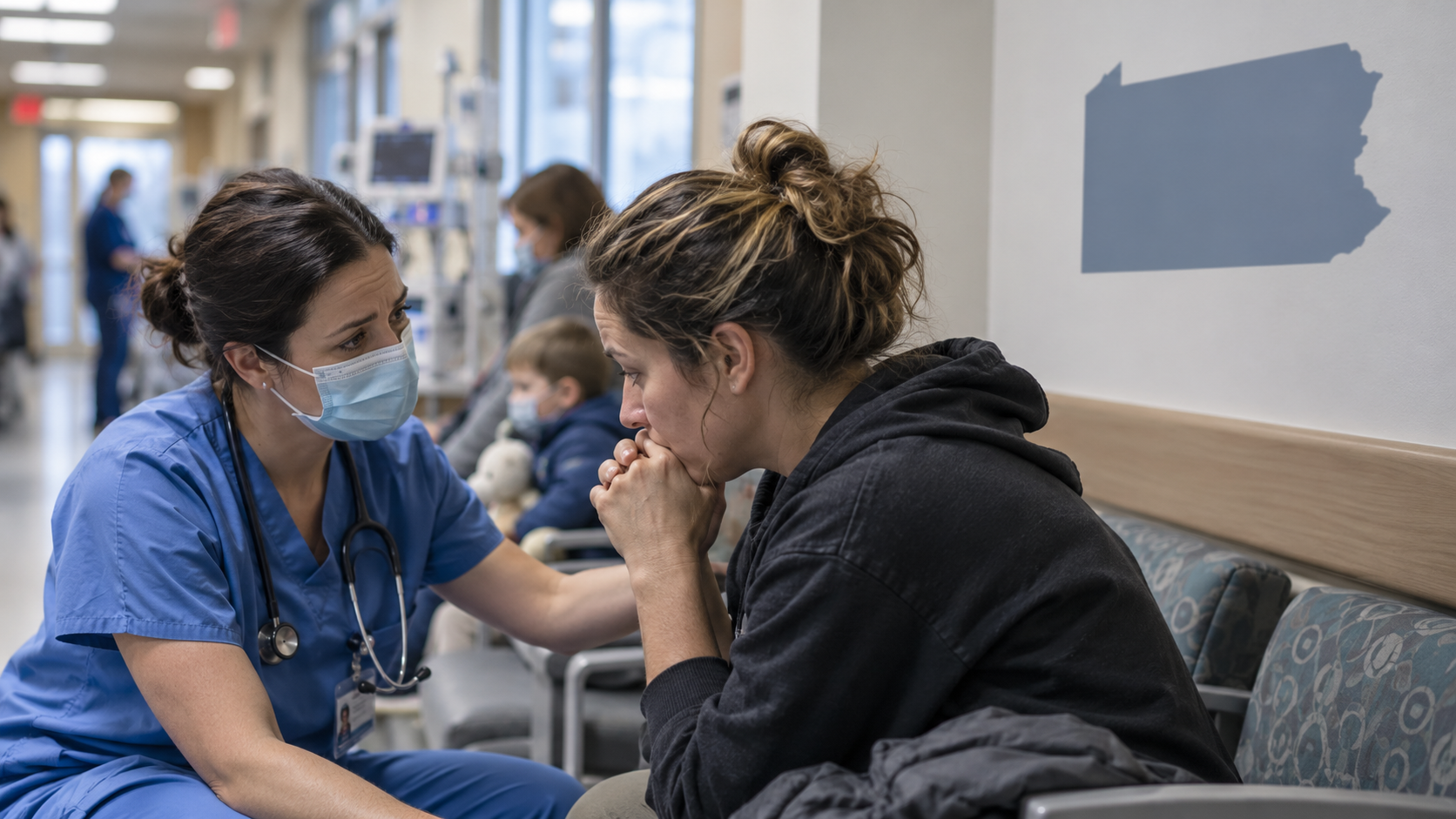
Erie County confirmed a case of diphtheria and identified a potential exposure connected to a school setting, according to reports attributed to WGRZ and other local coverage. The reports describe the case as rare and travel-related and state that four West Seneca schools were instructed to monitor for symptoms through October 18. Source 1 Source 3
The available reports do not identify the patient, the schools by name, the travel destination, the exposure dates, or the number of people considered close contacts. They also do not establish that an outbreak occurred.
What Is Diphtheria?
Diphtheria is a serious bacterial infection caused by toxin-producing strains of Corynebacterium diphtheriae. It most often affects the nose and throat, although it can also infect the skin. Routine vaccination has made diphtheria uncommon in the United States, but individual cases can occur, particularly after international travel or contact with an infected person. Source 2
The bacteria can produce a toxin that forms a thick coating in the throat or nose, making swallowing and breathing difficult. The toxin may also damage the heart, nerves, kidneys, and airway.
Possible complications include:
- Heart inflammation.
- Nerve damage.
- Kidney problems.
- Airway obstruction.
- Severe breathing difficulty.
Early treatment can reduce the risk of serious illness. Anyone with a possible exposure should follow instructions from healthcare and public health officials rather than waiting for severe symptoms.
What Is Known About the Erie County Case?
The available reports state that:
- Erie County confirmed one diphtheria case.
- The case was described as travel-related.
- Officials identified a potential school exposure.
- Four West Seneca schools reportedly monitored for symptoms through October 18.
- The reports do not state that an outbreak occurred.
The reports do not provide:
- The patient’s age or medical condition.
- The names of the four schools.
- The travel destination.
- The diagnosis or exposure dates.
- The number of identified contacts.
- Whether additional cases were identified.
- Whether preventive antibiotics or vaccine boosters were recommended.
- Whether schools changed attendance, transportation, or extracurricular activities.
- Whether Erie County issued instructions after October 18.
Do not fill these gaps with assumptions or social media claims. Case-specific instructions should come from the Erie County health department, the relevant school district, or a healthcare provider.
Which Schools Were Monitoring?
The supplied reports refer to four West Seneca schools but do not name them. They state that the schools monitored for symptoms through October 18. Monitoring may involve sharing symptom information, asking families to report illness, reviewing exposure timelines, coordinating with public health officials, and advising identified contacts about medical evaluation.
Requirements can differ according to the type of exposure, vaccination history, symptoms, and public health findings. Families should follow direct instructions from their school district or health department.
If diphtheria is suspected, call a healthcare provider before arriving at a clinic, urgent-care center, or hospital. Advance notice allows the facility to prepare infection-control measures.
How Diphtheria Spreads
Respiratory diphtheria can spread through droplets released when an infected person coughs or sneezes. Close or prolonged contact increases risk. Transmission is not determined solely by attending the same school; officials assess the type, duration, and closeness of contact, as well as the infected person’s symptoms and treatment status.
Transmission can also occur through infected respiratory secretions or contaminated objects. Avoid sharing cups, utensils, towels, and other personal items with someone who is ill.
Cutaneous diphtheria can involve infected sores or ulcers and may spread through contact with lesions or wound material. The available reports do not specify whether the Erie County case involved respiratory diphtheria, cutaneous diphtheria, or another presentation.
Symptoms to Watch For
Respiratory diphtheria may cause:
- Sore throat.
- Mild fever.
- Weakness or fatigue.
- Swollen neck glands.
- Difficulty swallowing.
- Hoarseness.
- Breathing difficulty.
- A thick gray or white coating in the throat or nose.
Cutaneous diphtheria may cause skin sores, ulcers, redness, swelling, pain, or a wound that does not heal normally. Symptoms can resemble other infections, so they cannot confirm or rule out diphtheria.
Seek Urgent Medical Care
Call emergency services or seek urgent care for trouble breathing, blue or gray lips or skin, inability to swallow fluids, rapidly worsening throat or neck swelling, severe weakness, fainting, or other rapidly worsening symptoms.
People with a known or possible exposure should tell their healthcare provider before arriving. Do not wait for severe symptoms if public health officials have recommended medical evaluation.
Diagnosis and Treatment
Healthcare professionals consider symptoms, physical findings, exposure history, vaccination status, and laboratory results. Testing decisions should be made by clinicians and public health authorities. Suspected cases may require prompt notification of the local or state health department.
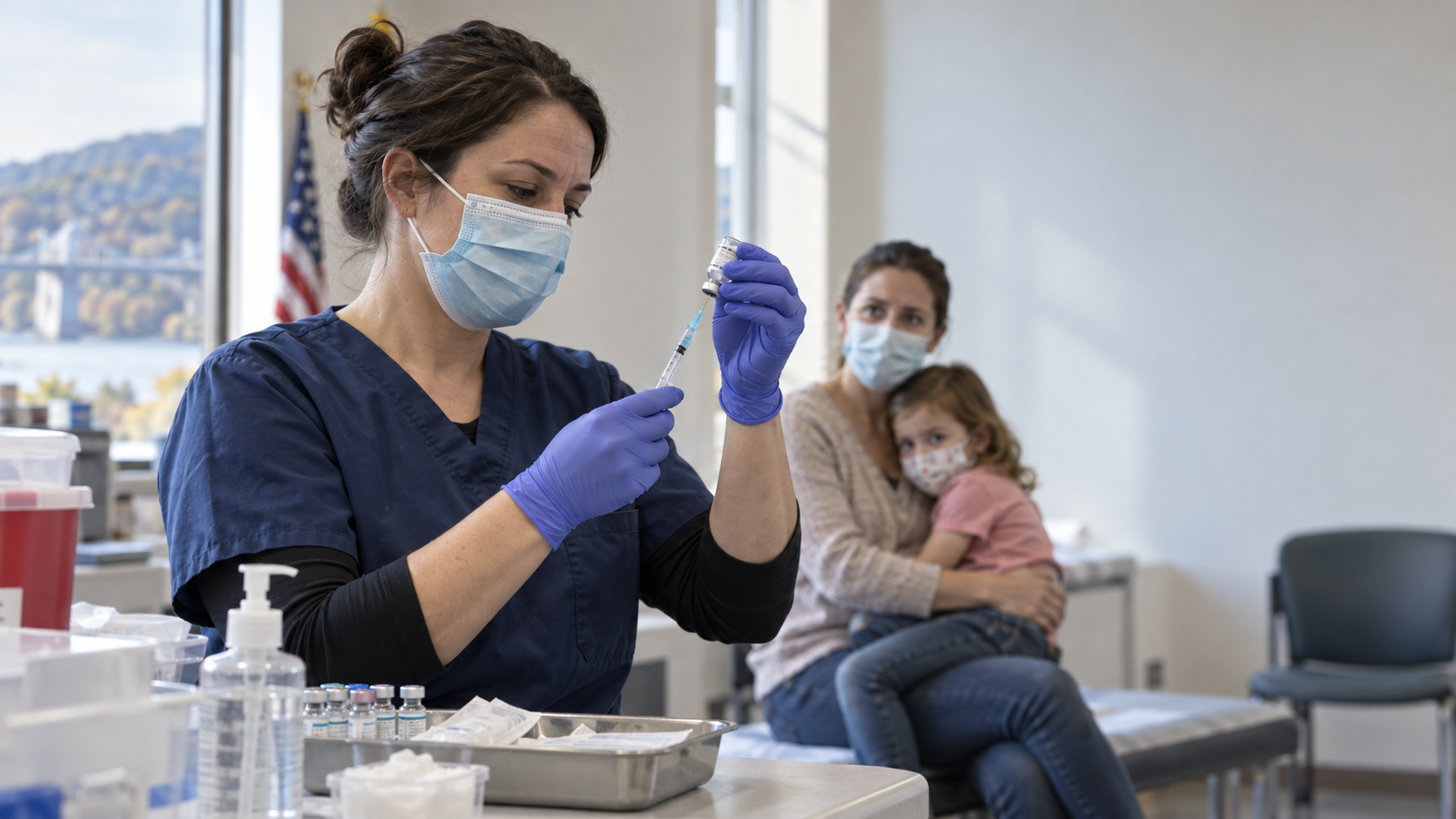
Treatment can include antibiotics and diphtheria antitoxin, depending on the clinical situation. Treatment may begin before every laboratory result is available when clinical suspicion is high. Source 2
A person with suspected respiratory diphtheria may need isolation until healthcare and public health officials determine that the transmission risk has ended. Close contacts may receive preventive antibiotics, vaccination assessment, or other instructions.
Do not self-treat a suspected exposure with leftover antibiotics. The wrong medication, dose, or duration may fail to prevent complications or transmission.
Vaccination and Prevention
Diphtheria is included in routine combination vaccines, including:
- DTaP for young children.
- Tdap for older children and adults.
- Td for older children and adults in certain situations.
Recommendations vary by age, vaccination history, pregnancy status, medical conditions, and prior doses. Review immunization records with a healthcare provider rather than assuming a booster is needed. Source 2
Public health officials may review vaccination records for identified contacts. People who are incompletely vaccinated or uncertain about their records may receive specific recommendations. Do not arrange additional vaccination solely because of a news report without consulting a healthcare provider or health department.
Additional prevention measures include washing hands, covering coughs and sneezes, avoiding shared personal items during illness, staying home when sick, following isolation and treatment instructions, completing prescribed medication, and keeping routine vaccinations current.
What Families Should Do
If there was a possible school exposure:
- Review official messages from the school district and Erie County health officials.
- Confirm current vaccination records.
- Monitor for symptoms during the period specified by officials.
- Contact a healthcare provider if symptoms develop.
- Mention the possible exposure before arriving at a medical facility.
- Follow instructions about testing, treatment, preventive medication, vaccination, or attendance.
If no exposure notification was received, continue routine infection-prevention practices and monitor official updates. Do not assume that everyone in the school community was exposed. Contact the school or Erie County health department if you need to know whether someone was identified as a close contact. Do not request specialized testing without medical or public health guidance.
Keep a child home for significant respiratory symptoms, fever, or other acute illness. Follow the school’s attendance policy and any instructions issued by public health officials.
Does This Mean There Is an Outbreak?
A single confirmed case does not establish an outbreak. These terms describe different situations:
- A confirmed case means testing and clinical evaluation met the criteria for diphtheria.
- A potential exposure means a person may have had contact with the infection.
- An outbreak generally involves multiple linked cases or transmission beyond an isolated case.
The supplied reports confirm a case and potential school exposure but do not report an outbreak. Public health monitoring is intended to identify additional illness early, not to indicate widespread transmission.
When reviewing an update, check the issuing agency, publication date, affected locations, whether the notice concerns a confirmed case or possible exposure, and any instructions about medical care, vaccination, attendance, or monitoring. Anonymous posts and unsourced claims should not replace official guidance.
Frequently Asked Questions
What happened in Erie County?
Erie County confirmed a case of diphtheria and identified a potential school exposure. The supplied reports described the case as travel-related and said four West Seneca schools monitored symptoms through October 18.
Is there an outbreak in West Seneca?
The supplied sources confirm a case and potential exposure but do not report an outbreak. Only public health authorities can make that determination.
What are the symptoms?
Symptoms may include sore throat, mild fever, weakness, swollen neck glands, difficulty swallowing, breathing problems, and a thick gray or white coating in the throat or nose. Skin infections can cause sores or ulcers.
What should a child who attended an affected school do?
Review school and county health department communications, confirm vaccination status, and monitor for symptoms during the period specified by officials. Contact a healthcare provider if symptoms develop, and mention the possible exposure before arriving.
Can vaccinated people get diphtheria?
Vaccination provides strong protection but does not eliminate every possible risk. People identified as contacts should follow individualized guidance from healthcare or public health officials.
Where can families find updates?
Use official Erie County health department notices, school district communications, and guidance from healthcare providers. The supplied news reports provide initial information but do not include every case-management detail.
Publication note: This article reflects the available source summaries. Check official Erie County and school district communications for updates about affected schools, monitoring dates, attendance guidance, vaccination recommendations, and additional confirmed cases.