CDC Offers States $100 Million for Measles Response
CDC Offers States $100 Million for Measles Response
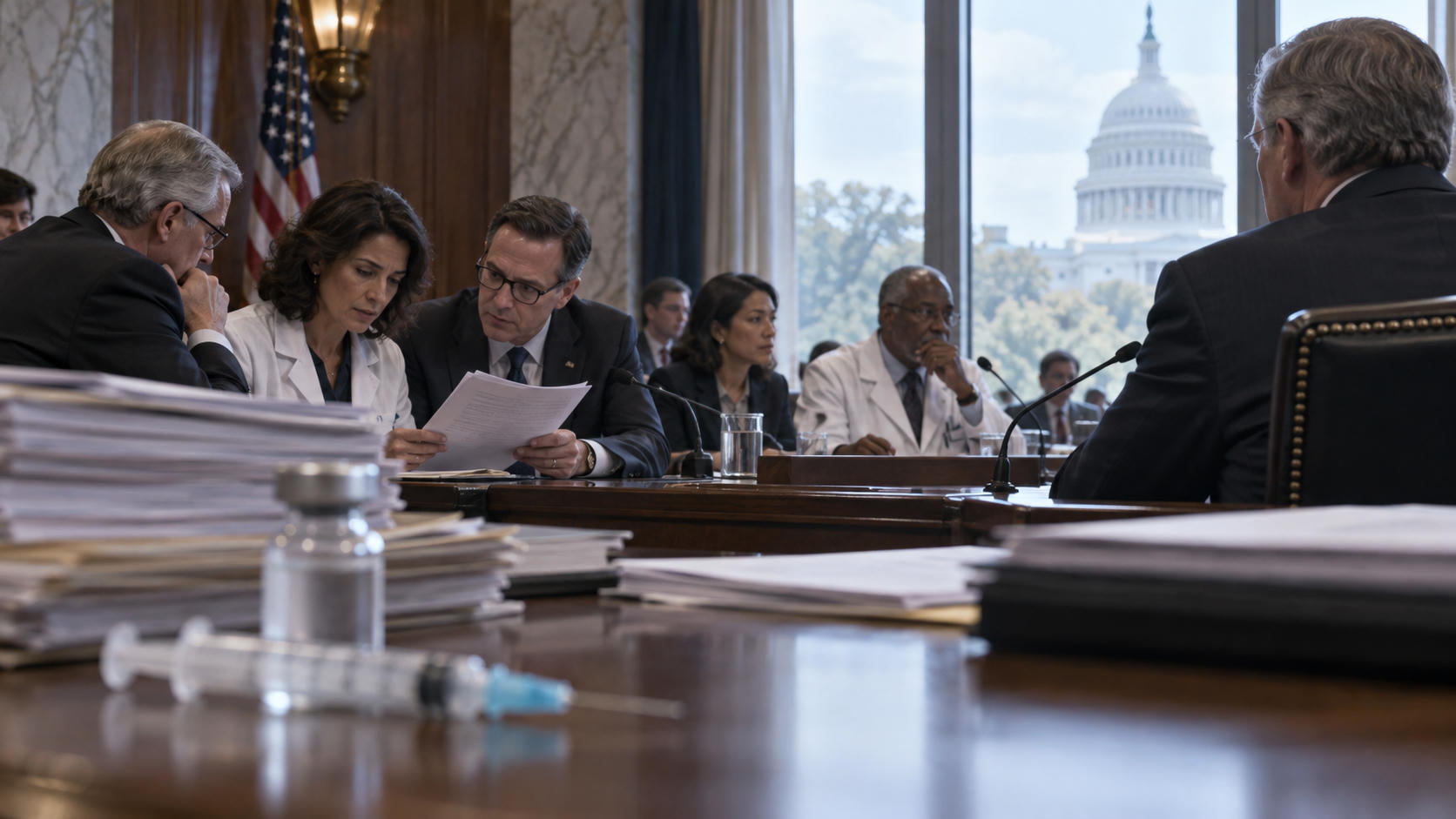
Measles cases are increasing, and the Centers for Disease Control and Prevention is reportedly offering states $100 million to support their response. The New York Times reported the proposed assistance as public-health agencies face renewed pressure to identify cases, prevent transmission, and encourage vaccination. Source 1
The announcement matters because measles is highly contagious and can create extensive work for state and local health departments after a single confirmed case. Officials may need to investigate exposures, confirm diagnoses, review vaccination records, coordinate with schools and health-care facilities, and communicate quickly with residents.
The available report confirms the proposed amount and the broader reason for it: rising measles activity. It does not establish the final allocation formula, eligible states, payment schedule, or precise activities the money will cover. Those details should be confirmed through official CDC funding notices and state health department announcements.
What the $100 Million Offer Means
The reported $100 million offer is intended to help states manage increased measles activity. It appears to be public-health support rather than direct financial assistance for households. The available source summary does not describe payments to individuals, medical-bill reimbursements, or consumer vaccine subsidies.
Federal funding could help agencies increase staffing, coordinate investigations, improve communication, and work with local health departments. However, the source does not specify whether the money will be distributed through grants, reimbursements, emergency allocations, cooperative agreements, or another mechanism.
It also does not provide a state-by-state breakdown, application process, funding period, or detailed spending restrictions. The impact of the funding will depend on how quickly it becomes available and how flexibly states can use it.
Until official terms are published, the reported offer should not be treated as proof that every state will receive the same amount or that every locality will immediately have access to new resources.
Why Measles Response Requires Additional Resources
Measles response involves more than treating people who become ill. Health officials may need to identify suspected cases, arrange diagnostic testing, determine where transmission may have occurred, and locate people who were exposed.
Investigators may review a patient’s recent movements, vaccination history, travel, household contacts, school or workplace connections, and visits to medical facilities. Officials can then notify people who may have been exposed and advise them about symptoms, monitoring, vaccination, or other precautions.
A single case can require coordination among hospitals, primary-care practices, schools, child-care centers, laboratories, airports, community groups, and emergency-management offices. If an exposed person traveled across county or state lines, agencies may also need to share information across jurisdictions.
Additional support could help agencies hire temporary personnel, extend operating hours, improve laboratory coordination, expand public-information campaigns, and reach communities with lower vaccination coverage. These are potential uses, not confirmed spending categories.
Why Measles Cases Can Escalate Quickly
Measles Is Highly Contagious
Measles spreads efficiently among people who lack immunity. Transmission can occur before a diagnosis is confirmed, allowing an infected person to visit public places before the illness is recognized.
A suspected or confirmed case can therefore create a broad, time-sensitive response. Investigators may need to identify exposure locations such as schools, child-care centers, hospitals, clinics, airports, workplaces, public transportation, and large gatherings.
The CDC describes measles as a highly contagious viral disease and recommends vaccination as the best protection for people who are eligible to receive it. CDC
A single case does not mean that widespread transmission is occurring everywhere. Risk depends on local immunity, exposure patterns, the speed of case detection, and the ability of health departments to notify and monitor contacts.
Vaccination Coverage Affects Outbreak Risk
Routine measles vaccination reduces the likelihood that an infection will spread through a community. When vaccination coverage falls or becomes uneven, groups of people without immunity can form pockets of vulnerability.
Missed or delayed vaccination may result from disrupted appointments, limited access to providers, transportation or scheduling barriers, incomplete records, or interruptions in local health services. Conflicting information can also make it harder for people to understand which recommendations apply to them.
The source summary confirms that measles cases are increasing, but it does not identify the specific causes, states, communities, or vaccination rates involved. It would be inaccurate to attribute the increase to one factor without current surveillance and vaccination data.
The CDC recommends the measles, mumps, and rubella vaccine for routine protection, subject to individual medical circumstances and current public-health guidance. CDC
How States Could Use Measles Response Funding
Case Investigation and Contact Tracing
Case investigation helps officials determine when symptoms began, where a person may have been exposed, and whether that person could have exposed others. Investigators may review travel, vaccination, household, school, workplace, and health-care information.
Contact tracing focuses on people who may have been exposed. Health officials can notify them, assess whether they have evidence of immunity, explain which symptoms to monitor, and provide instructions for contacting a provider.
This work becomes more difficult when several cases occur at once. Staff must manage interviews, records, notifications, follow-up calls, and coordination with other jurisdictions. Additional funding could help agencies add personnel or expand existing teams during periods of high activity.
The source summary does not confirm that the CDC has approved a specific case-investigation or contact-tracing budget. These activities are examples of work that measles response commonly requires.
Vaccination Clinics and Outreach
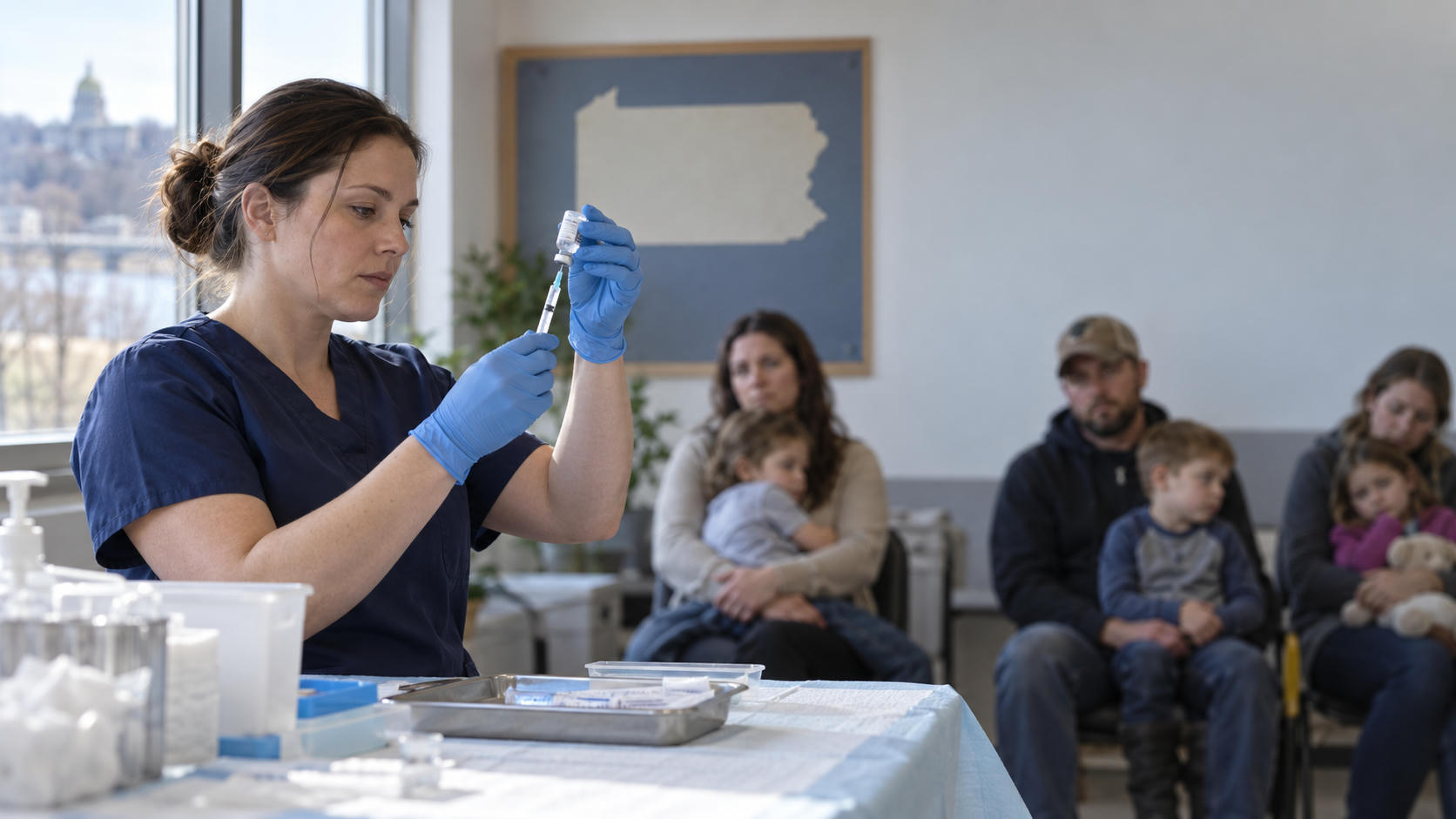
States may use additional capacity to promote routine vaccination and improve access in communities with lower coverage. Potential activities include supporting local clinics, coordinating appointments, partnering with schools and community organizations, and helping residents locate vaccination services.
Residents may need help finding records, determining whether a child is up to date, identifying an appropriate provider, and understanding which information to bring to an appointment. Clear communication is especially important when residents encounter conflicting claims online.
Vaccination recommendations can vary according to age, previous doses, health history, pregnancy, travel, and possible exposure. A health-care professional or public-health department can provide individualized guidance.
Residents should not assume that an emergency announcement changes everyone’s vaccine schedule. They should check current CDC and state guidance and discuss personal questions with a qualified clinician.
Laboratory Testing and Surveillance
Measles response depends on the timely assessment of suspected cases. Health-care providers and public-health agencies may need to coordinate specimen collection, laboratory testing, case reporting, and follow-up.
Funding could potentially support laboratory coordination, data systems, surveillance staff, and communication among local, state, and federal agencies. Better information can help officials determine whether cases are linked, identify transmission settings, and prioritize investigations.
The source summary does not provide laboratory methods, processing times, or specific surveillance upgrades connected to the reported offer. Those details should come from an official funding notice or CDC guidance.
Surveillance involves more than counting cases. It can also include monitoring exposures, identifying geographic patterns, reviewing vaccination coverage, and tracking whether public-health interventions are limiting transmission.
Public Communication
Residents may need to know which symptoms require medical guidance, what to do after a possible exposure, when to avoid public settings, how to check vaccination status, and where to find local updates.
Health agencies must communicate urgently without overstating what is known. Messages should distinguish confirmed cases from suspected cases, local risk from nationwide risk, and official recommendations from unverified online claims.
Residents should use CDC, state health department, and local health department websites for current information. People who suspect measles should contact a medical provider before arriving at a clinic or hospital. Advance notice allows staff to reduce the risk of exposing other patients and workers.
What Residents Should Know
Symptoms and Medical Guidance
Measles can begin with symptoms that resemble other respiratory infections. Early symptoms alone cannot confirm a diagnosis, so people should rely on medical and public-health guidance rather than attempting to diagnose themselves.
Anyone who suspects measles, has had a known exposure, or develops concerning symptoms should contact a health-care provider or local health department. Calling before visiting in person allows the facility to provide instructions and prepare for the possibility of an infectious patient.
People should mention possible exposure, relevant travel history, vaccination information, and the date symptoms began. This article provides general information, not individualized medical advice. Current guidance is available through public-health agencies, including the CDC’s measles information pages. CDC
Checking Vaccination Records
Families should review vaccination records, especially when local officials report a possible exposure or outbreak. Records may be available through a primary-care provider, pediatrician, school, child-care center, pharmacy, clinic, or state immunization information system.
A health-care professional can help determine whether documentation is complete and whether additional vaccination or evaluation is appropriate. Recommendations may differ based on age, health history, pregnancy, travel, immune status, and exposure risk.
If records are missing, residents should ask a provider or health department which documentation or next steps are accepted. They should avoid relying on informal online advice for vaccination decisions.
After a Possible Exposure
People who may have been exposed should promptly contact a health-care provider or local health department. They may be asked about the exposure date and location, vaccination history, symptoms, travel, and close contacts.
Officials may provide instructions about symptom monitoring, testing, vaccination, isolation, or other precautions. These instructions can depend on age, health history, immune status, pregnancy, and the timing of exposure.
Anyone who suspects measles should call before visiting a clinic, doctor’s office, or emergency department. Arriving without notice can expose other patients and staff.
The Role of Federal and State Agencies
The CDC can support states through funding, technical guidance, surveillance assistance, laboratory coordination, and national communication. State agencies commonly coordinate regional strategy, while local health departments conduct much of the direct community response.
Health-care providers also identify suspected cases, arrange appropriate evaluation, report cases according to public-health requirements, and advise patients about care and exposure precautions.
- Federal agencies provide resources, guidance, and coordination.
- State agencies organize statewide or regional response.
- Local agencies investigate cases and communicate with residents.
- Health-care providers identify and manage suspected illness.
- Schools, workplaces, and community organizations help share official information.
The reported support could strengthen this system, but $100 million alone cannot resolve every challenge. Staffing shortages, uneven access to care, incomplete records, and public distrust may require sustained attention beyond an emergency allocation.
Measles-response needs differ among states and localities. Relevant factors may include case numbers and locations, vaccination coverage, population movement, laboratory access, health-care capacity, and existing public-health staffing. Official funding documents should clarify eligibility, reporting obligations, timelines, and allowable expenses.
What Is Confirmed and What Requires Verification
The available source summary establishes that:
- The CDC is reportedly offering states $100 million in support.
- The offer comes as measles cases increase.
- The report is attributed to The New York Times. Source 1
- The summary does not provide further operational details.
The report does not establish:
- The exact number of measles cases.
- When the funding will become available.
- Which states qualify.
- How much each state may receive.
- Whether the assistance will come through grants, reimbursements, emergency allocations, or another mechanism.
- Which spending categories are permitted.
- Whether the offer is tied to a particular outbreak or case threshold.
- Whether local health departments will receive funding directly.
Readers and publishers should review the full New York Times report and check the CDC’s official newsroom, funding notices, and measles guidance. State-specific claims should be confirmed through state health department websites. Time-sensitive statistics should include publication dates, and articles should distinguish confirmed facts from potential uses of the funding.
Conclusion
The CDC is reportedly offering states $100 million as measles cases increase. The support could help state and local agencies expand case investigations, improve surveillance, coordinate laboratory work, strengthen vaccination outreach, and communicate more quickly with residents.
The available source summary does not establish the distribution formula, eligibility rules, funding timeline, or exact permitted uses. Those details require confirmation through official CDC and state health department announcements.
Residents should check local guidance and review their vaccination records. Anyone with a possible measles exposure or concerning symptoms should contact a health-care provider or public-health department before visiting a facility. Current CDC, state, and local health department information remains the most reliable source for case updates and vaccination recommendations.
Frequently Asked Questions
What is the CDC offering states for measles response?
The CDC is reportedly offering states $100 million in support as measles cases increase. The available source summary does not specify the funding mechanism, eligibility requirements, allocation formula, or permitted uses.
Why do states need additional measles-response funding?
Measles cases can require rapid case investigation, contact tracing, laboratory coordination, vaccination outreach, surveillance, and public communication. Additional support may help state and local health departments expand those activities.
Will residents receive the $100 million directly?
The source summary describes the offer as support for states, not direct payments to individuals. Residents should check official CDC and state announcements for details about how the assistance will be administered.
What should someone do after possible measles exposure?
Contact a health-care provider or local health department promptly and explain the possible exposure. Call before visiting a clinic or hospital so staff can provide instructions that reduce the risk of exposing others.
How can people check whether they are protected against measles?
Review records through a health-care provider, school or child-care center, pharmacy, clinic, or state immunization system. A health-care professional can advise whether additional vaccination or evaluation is appropriate.
Where can people find reliable measles updates?
Use the CDC, state health department, and local health department websites. These agencies can provide current information about reported cases, exposure notifications, vaccination guidance, and response measures.