Alef Welcomes Tesla to the Flying-Car Race
Alef Welcomes Tesla to the Flying-Car Race
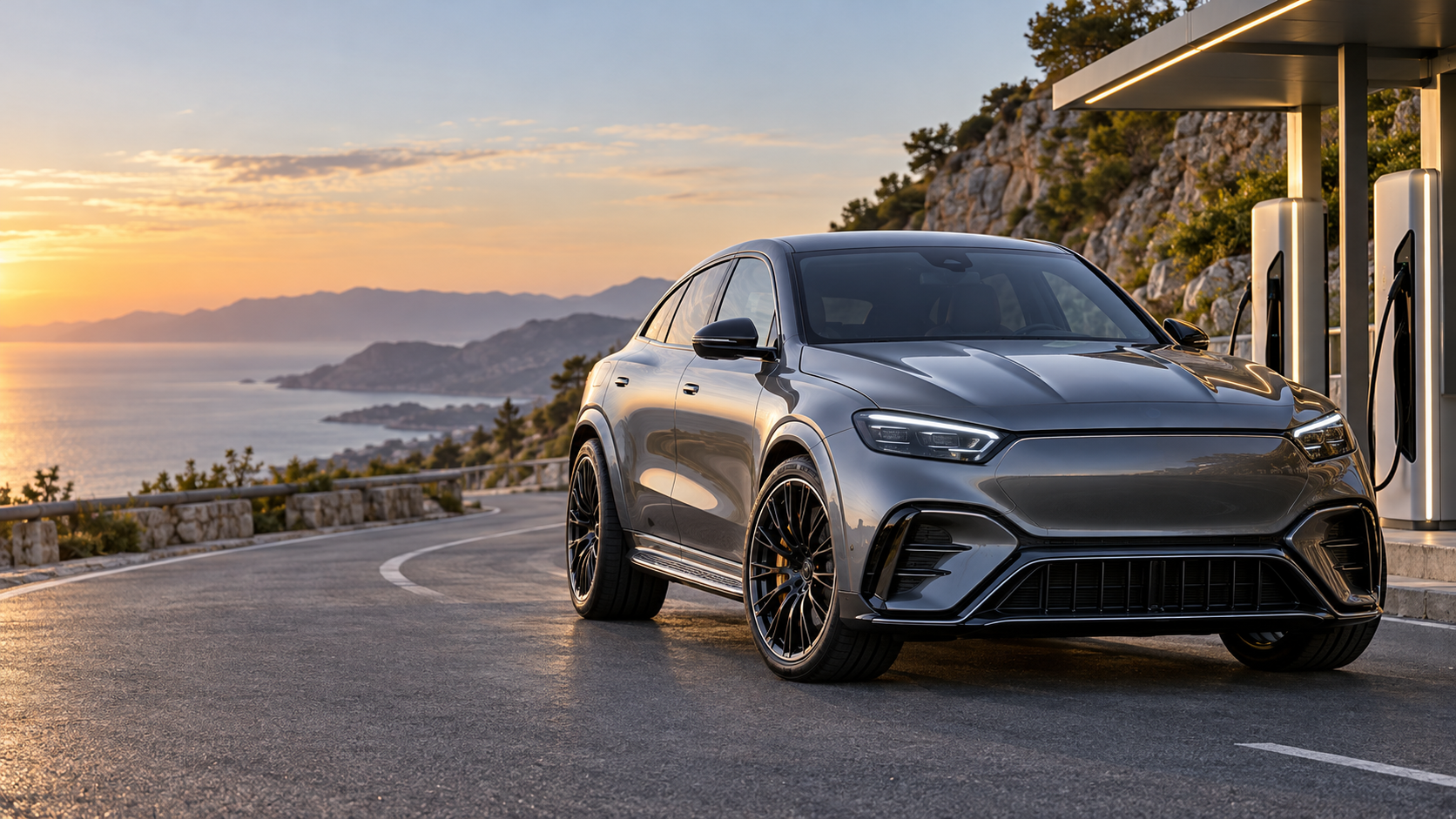
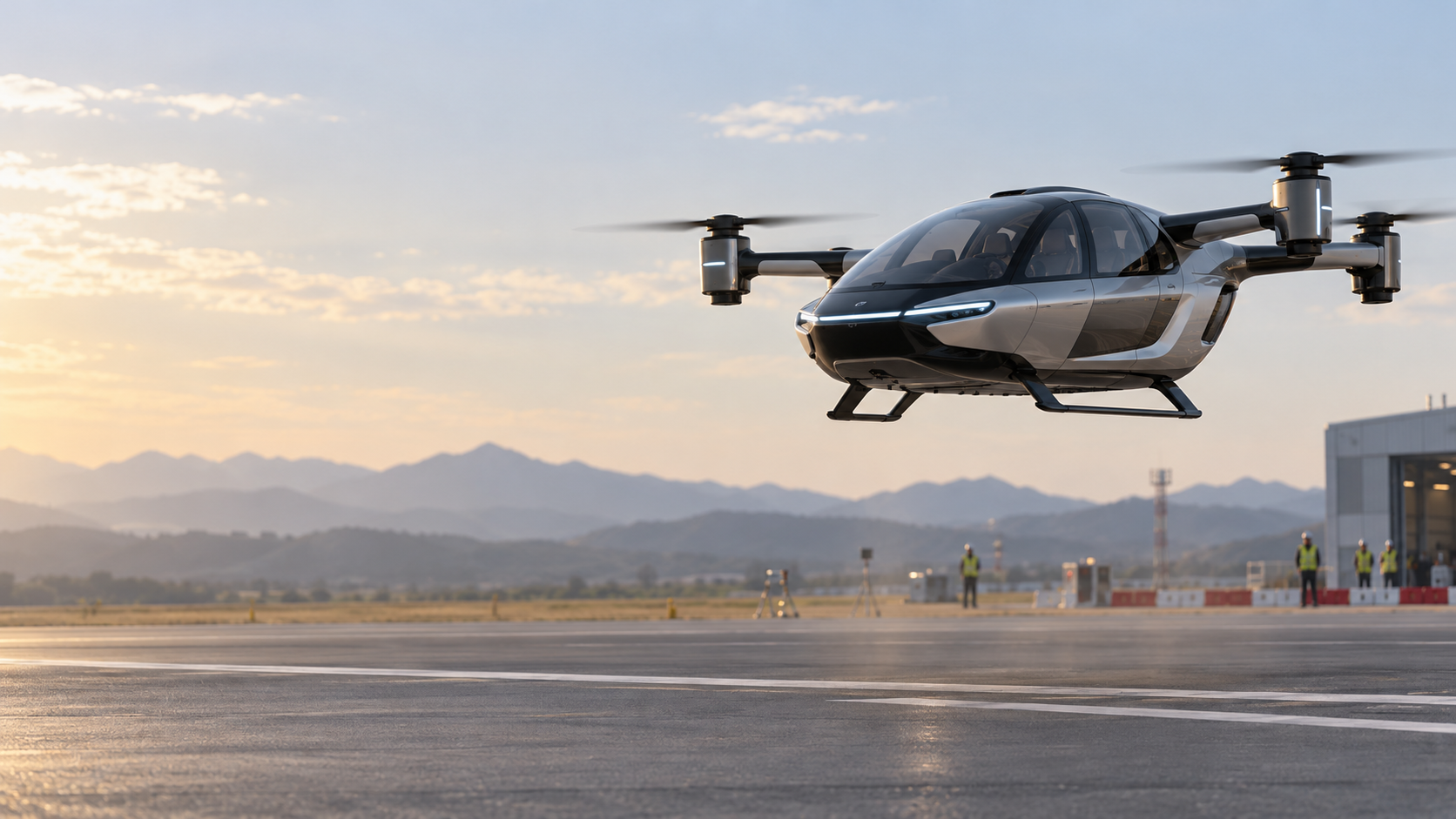
Alef, a company developing a roadable aircraft concept, has used a tongue-in-cheek video to welcome Tesla to the emerging flying-car market. The campaign turns a futuristic technology story into a symbolic rivalry, using Tesla’s powerful brand to attract attention to Alef and the broader electric flying-car sector.
However, the available evidence does not confirm that Tesla has announced, launched or officially joined a flying-car program. The video appears to be a marketing effort rather than proof of a formal Alef-Tesla competition. Source 1
What the Video Means
A humorous welcome video can communicate ambition without representing a formal corporate announcement. Alef’s message presents the company as an early participant in a market that larger automotive and technology companies could eventually enter.
The distinction matters. Marketing content can establish a company’s tone, attract media coverage and encourage public discussion, but it cannot prove that a vehicle is ready for commercial production.
Tesla is an obvious reference point because of its association with battery-powered vehicles, electric drivetrains, software-led transportation and high-profile product launches. Mentioning Tesla can increase Alef’s media exposure, reach Tesla followers and position the company within a larger conversation about electric mobility.
The comparison does not require Tesla to have a competing product. A smaller company can use Tesla as a symbol of future competition without claiming that a direct commercial rivalry already exists.
Who Is Alef?
Alef is the flying-car company associated with the reported Tesla welcome message. The supplied material identifies Alef as an entrant in the developing flying-car sector but provides limited verified information about its corporate history, production plans or commercial operations.
Its concept belongs to a difficult category: a vehicle expected to operate on roads while also supporting flight. A road vehicle must handle traffic, braking, steering, crash protection and everyday durability. An aircraft must manage lift, stability, propulsion reliability, flight controls and emergency procedures.
Combining both functions creates difficult trade-offs involving weight, energy use, passenger protection and packaging.
How a Flying Car Differs from an Electric Car
An electric car can focus primarily on efficient road travel. A flying car must support two operating environments:
- Road travel on conventional infrastructure.
- Aerial operation under aviation rules.
Key engineering challenges include:
- Battery capacity and power delivery.
- Weight management.
- Propulsion redundancy.
- Aerodynamic stability.
- Passenger restraint and protection.
- Noise reduction.
- Flight-control systems.
- Safe transitions between ground and air operation.
A battery pack that provides useful road range may not supply enough energy for sustained flight once the motors, rotors, structure and occupants are included. Adding battery capacity increases weight, which further increases the energy required for flight.
What the Reported 1,000th Flight Confirms
A supplied headline claims that Alef’s flying car completed its 1,000th flight and challenged Tesla. The linked material provides no article text, test records or supporting details. The claim therefore requires additional verification before it can be presented as an established milestone. Source 3
The accurate wording is that a supplied headline claims the milestone, or that the company reportedly made the claim. It should not be described as 1,000 independently verified flights.
The word “flight” can describe several activities, including a short controlled hover, an unmanned demonstration, a transition test or multiple brief runs by one prototype. The figure becomes meaningful only when the company explains the testing conditions.
Important questions include:
- Who conducted the flights?
- Where did they occur?
- How long did each flight last?
- Was the vehicle occupied?
- Was it remotely controlled?
- Which configuration was tested?
- Were the flights independently observed?
- Are test records or regulatory filings available?
- Did the vehicle operate in difficult weather?
Repeated testing can show that engineers are learning from prototype operations, but it does not establish commercial readiness. A high flight count does not prove long-range performance, passenger certification, reliable emergency landings, affordable manufacturing or regulatory compliance.
Why Tesla’s Possible Entry Would Matter
A genuine Tesla flying-car program would generate significant attention and could influence investor interest, suppliers, media coverage and government discussions. Tesla’s experience with electric powertrains, batteries, software and large-scale automotive manufacturing would make it an important potential entrant.
Electric-car expertise does not automatically translate into aviation expertise. Aircraft require different safety systems, operating procedures and certification standards. A flying vehicle must address airworthiness, flight controls, pilot training, propulsion redundancy and emergency procedures.
The supplied evidence does not confirm an active Tesla flying-car program. Tesla appears in the story because Alef used the company as a reference point in its welcome message.
The Broader Flying-Car Market
The flying-car sector includes several different technology strategies:
- Roadable aircraft that can drive and fly.
- Electric vertical takeoff and landing aircraft, commonly called eVTOLs.
- Autonomous air taxis.
- Hybrid road-and-air prototypes.
- Commercial aircraft for specialized transport services.
These products may serve different customers and operate under different rules. A personal roadable aircraft, an air taxi and an autonomous passenger drone may all be described as flying cars while requiring different infrastructure, certification and business models.
The real competition may involve certification, fleet operation, infrastructure and commercial partnerships rather than direct vehicle sales.
Main Barriers to Commercialization
Battery Performance and Range
Flight requires substantial energy. Batteries must deliver high power without making the vehicle too heavy. Practical range also depends on payload, temperature, wind, altitude and flight profile.
A vehicle carrying passengers may have a much shorter range than a prototype tested without a full payload. Marketing range figures should therefore be assessed alongside test conditions and methods.
Safety and Reliability
Passenger flight requires robust control systems and plans for component failure. Developers must address emergency landings, collision avoidance, propulsion redundancy, structural protection, fire prevention and pilot or software error.
Public acceptance will depend on consistent evidence of safety rather than a small number of promotional demonstrations.
Regulation and Certification
Depending on its design, a flying car may require aircraft certification, road-vehicle approval, driver and pilot credentials, airspace authorization, approved takeoff and landing locations and specialized insurance.
Regulatory approval can take longer than prototype development because authorities must assess both the vehicle and its operating environment.
Infrastructure
Flying cars need places to take off, land, charge, maintain and store them. Urban operation would require coordination with airports, local governments, air-traffic authorities, emergency services, property owners and charging providers.
A vehicle may be technically capable of flight yet impractical without a reliable operating network.
Cost and Accessibility
Early flying cars are likely to cost more than ordinary electric vehicles. Aircraft-grade maintenance, pilot training, insurance and specialized storage could raise ownership costs further.
The first customers may be commercial operators, wealthy enthusiasts or specialized services. Everyday commuting would require lower prices, simpler operation, broad infrastructure and strong public confidence.
Marketing Move or Serious Challenge?
The video can be interpreted in two ways. It reflects confidence among flying-car developers and may help Alef attract customers, investors, engineering talent, manufacturing partners, government attention and media coverage.
At the same time, the available evidence does not show that Tesla has unveiled a flying-car product. Alef can therefore create a sense of rivalry before a direct product competition exists. The humorous tone suggests that entertainment and visibility are central to the campaign.
The balanced interpretation is that the video represents symbolic competition rather than a confirmed Alef-Tesla contest. The meaningful race will involve technology development, certification, manufacturing, infrastructure and consumer trust.
What the Video Means for Consumers
Flying cars are not yet a mainstream transportation option. Availability depends on testing, certification, infrastructure, training and production economics.
Potential buyers should ask:
- Is the vehicle road-legal?
- Is it certified for flight?
- Does it require a pilot’s license?
- What is its independently verified range?
- How many passengers can it carry?
- Where can it legally take off and land?
- What are the maintenance and insurance costs?
- Which authority has verified its performance?
- Can it operate in bad weather?
- What happens if a propulsion system fails?
The path from prototype to product usually includes demonstration flights, controlled testing, safety and airworthiness evaluation, regulatory approval, limited production, commercial operation and broader consumer availability.
Reporting Cautions
The strongest supported point is that a flying-car company reportedly used a humorous video to welcome Tesla to the emerging market. The source summary identifies Alef as the company associated with the story. Source 1
Claims requiring verification include:
- Alef completing its 1,000th flight.
- Tesla actively developing a flying car.
- The exact date and content of the video.
- Vehicle performance and range.
- Production or delivery plans.
- Certification status.
- Whether the reported flights involved an early prototype or a production-intent vehicle.
The supplied sources about Tesla Solar Roof development and Apple’s VR headset do not provide evidence about flying cars and should not support this story. Source 5 Source 7
Conclusion
Alef’s tongue-in-cheek video welcomes Tesla to the flying-car race, but the message should be understood as symbolic competition rather than confirmation of a formal Tesla flying-car program.
The available evidence supports the existence of a welcome message and identifies Alef as the company associated with it. It does not independently verify the reported 1,000th flight, Tesla’s participation or the commercial readiness of Alef’s vehicle.
The meaningful race will involve safety, certification, battery performance, manufacturing cost, infrastructure and public trust. Flying cars remain an emerging technology, but companies are already competing to define the category and control its public narrative.
FAQ
Is Tesla making a flying car?
The supplied sources do not confirm that Tesla has announced or launched a flying car. Tesla appears in the story because Alef reportedly used a humorous video to welcome the company to the emerging sector.
What company welcomed Tesla to the flying-car race?
Alef is the company associated with the reported welcome message. The available summaries provide limited information about the video and do not establish a formal competition between Alef and Tesla.
Did Alef complete its 1,000th flight?
A supplied headline claims that Alef’s flying car completed its 1,000th flight. The linked page provides no supporting article content, so the figure should be treated as unverified until corroborated by reliable reporting or official test documentation.
What was the purpose of the video?
The video appears to be a publicity and positioning effort. It uses Tesla’s reputation to attract attention to Alef and the wider flying-car market.
Are flying cars available to everyday consumers?
Flying cars are not yet a mainstream transportation option. Commercial availability depends on testing, certification, pilot requirements, infrastructure, safety standards and production costs.
What challenges must flying-car companies solve?
The main challenges include battery performance, vehicle weight, flight safety, regulatory approval, takeoff and landing infrastructure, insurance, maintenance and consumer affordability.